
The end of de minimis: what an overseas indie bottle costs now
The $800 duty-free threshold was suspended for every country of origin in August 2025, and US Customs wrote that suspension into regulation in July.
Undernotes4 min readDispatch
A buyer in the United States ordering direct from an overseas perfume house now pays customs duty and a handling charge on a parcel that would have cleared free a year ago. The $800 de minimis exemption, which let low-value imports enter duty-free, was suspended for all countries of origin on 29 August 2025, and US Customs and Border Protection has since written that suspension into regulation: an interim final rule took effect on 24 July 2026, with a compliance deadline of 22 October 2026.
That lands harder on a library of independent houses than on a general shopping site. Bortnikoff sells from Bangkok, Al Shareef Oudh from Carramar in Western Australia, Auphorie from Malaysia, Meo Fusciuni from Italy. Owner-run houses shipping direct, a few bottles at a time, are the sellers who were relying on the old threshold, whether they thought about it or not.
What changed, in order
- 2 May 2025: the exemption ended for goods from China and Hong Kong.
- 29 August 2025: it was suspended for every other country of origin.
- 24 June 2026: CBP announced an indefinite suspension for mail shipments and set out a new postal informal entry process.
- 24 July 2026: the interim final rule took effect, with compliance required by 22 October 2026.
- 22 September 2026: a voluntary electronic test of the new mail entry type opened for shipments valued at $2,500 or less.
There is no single rate to quote, which is the awkward part. Duty is calculated from the tariff classification of the goods and their country of origin, not from a flat schedule, and the carrier adds its own charge for handling the paperwork. One trade write-up on the change puts the scale of it plainly: a $30 package that used to arrive duty-free may now carry $5 to $15 in extra charges, depending on category and origin. On a mid-priced bottle that is a nuisance. Lower down the price list it is a different story.
The arithmetic is worst at the bottom of the price list
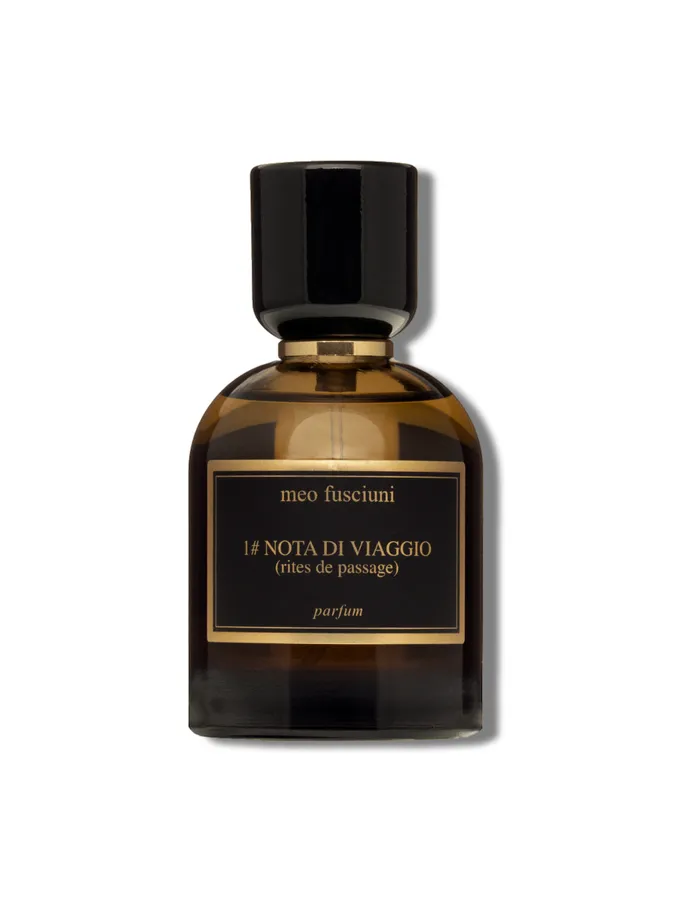
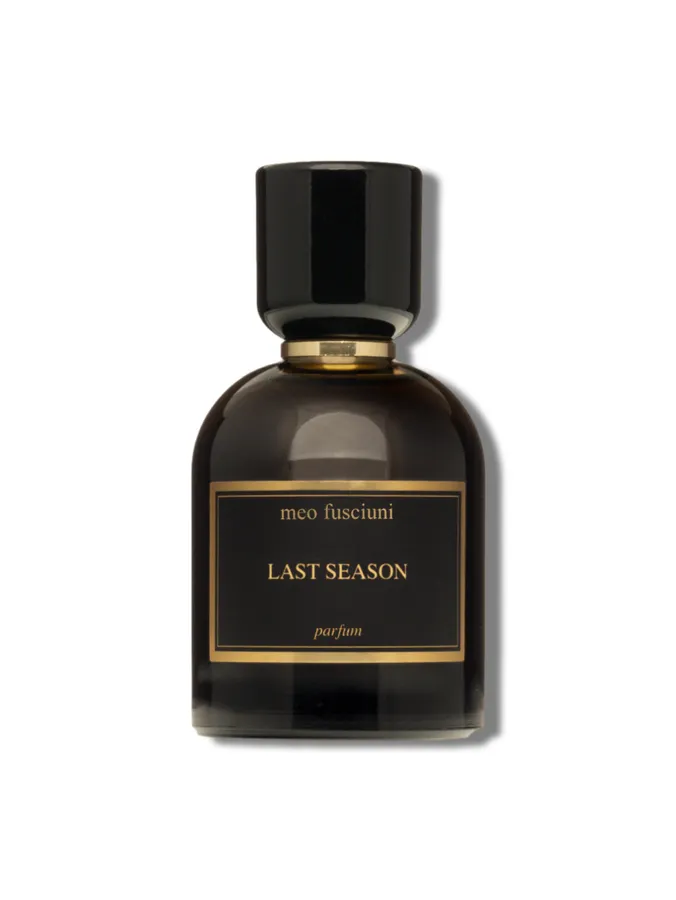
Independent houses sell discovery sizes cheaply, and a fixed fee does not scale. 1# Nota di Viaggio from Meo Fusciuni runs from €8 to €180 across its sizes; Last Season runs from €10 to €220. A processing charge in the range above can approach the price of the smallest size on its own, before any duty is worked out. The same fee set against Khadra, the $399 parfum from Al Shareef Oudh, is a rounding error.
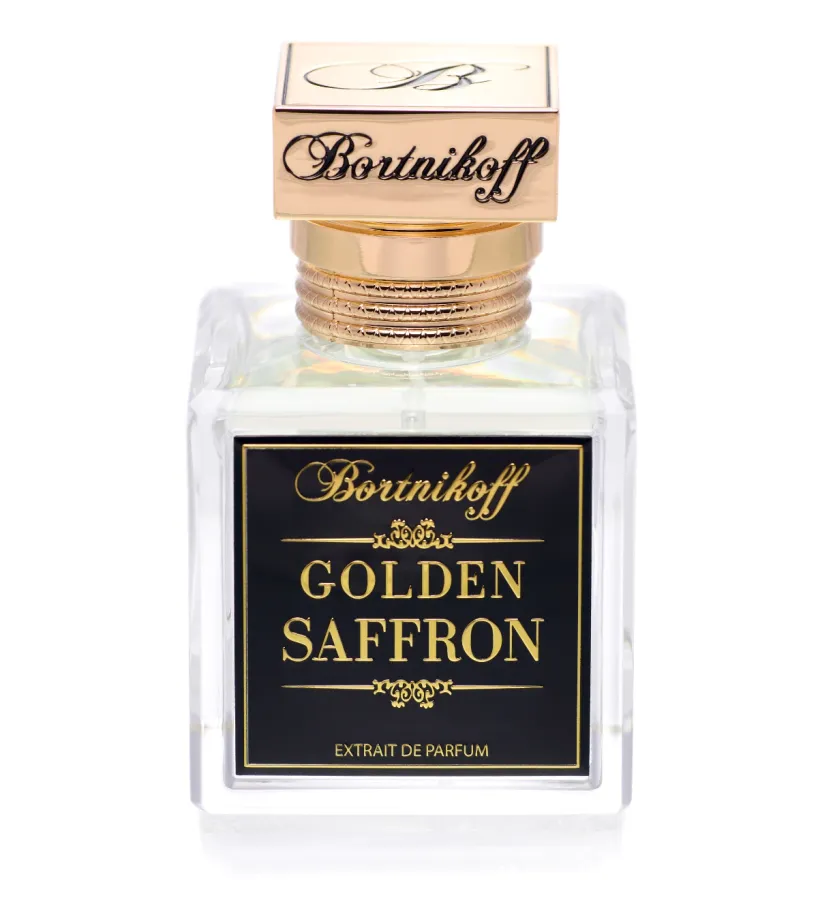
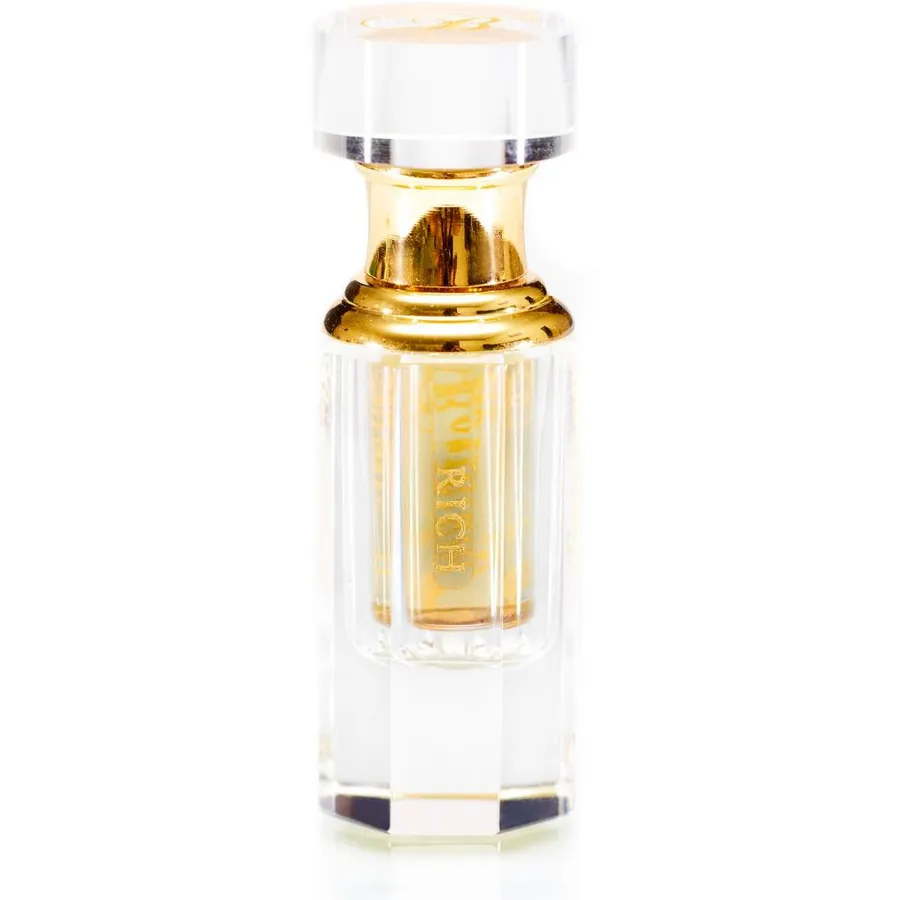
The corollary is that four small separate orders now cost noticeably more than one larger order, because each parcel is entered and charged separately. Houses with a single price per item make that easier to plan for: Bortnikoff's Attar Rich is $125 and nothing else, and Auphorie's catalogue here tops out at $228.
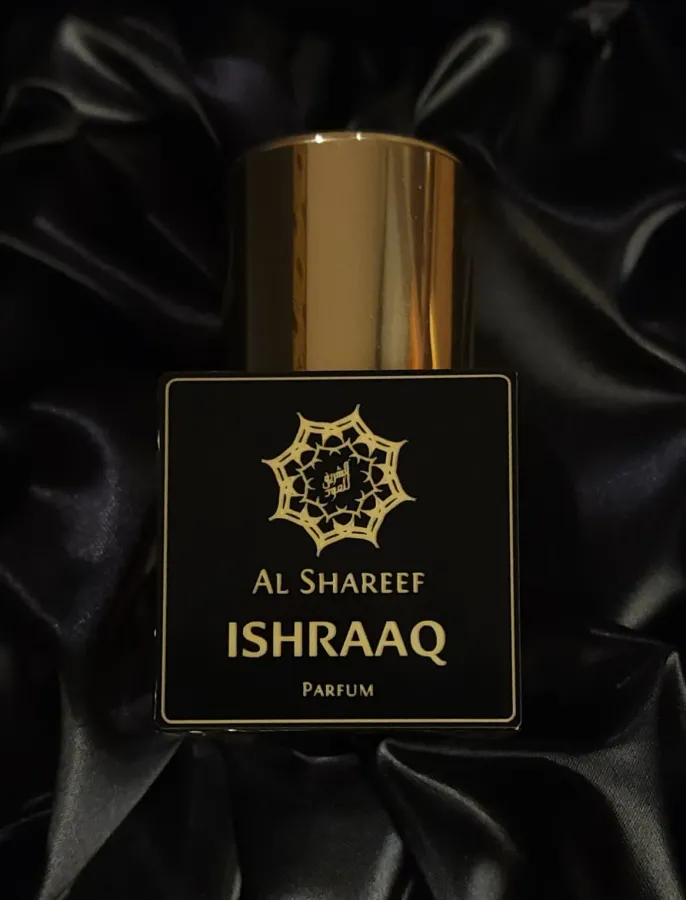
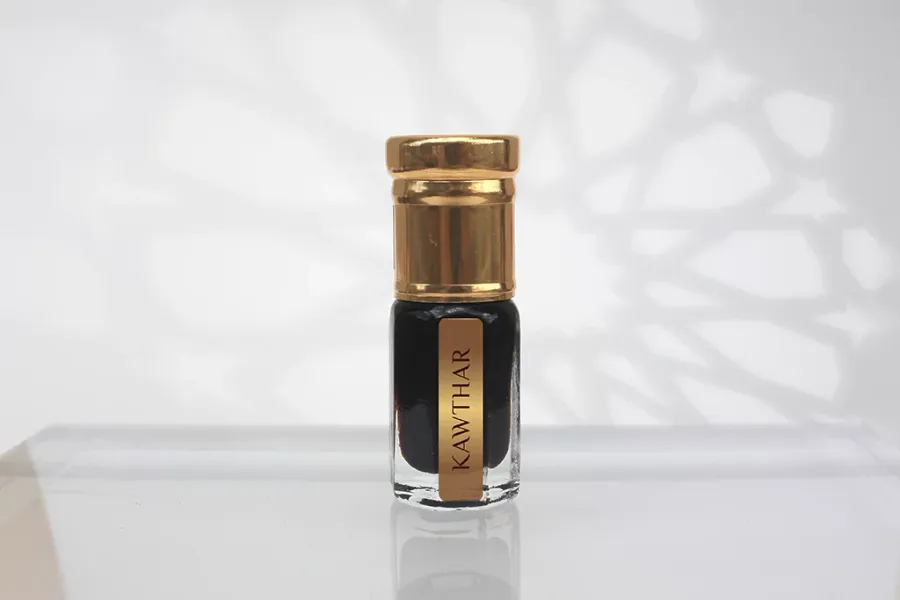
It also changes what was previously invisible. A $485 parfum such as Ishraaq sat comfortably under the old $800 line and arrived clean. It does not now. Neither does Kawthar, the attar priced from $40 to $450 depending on size, at either end of that range.
The seller's side of it
The pressure is not only on buyers. Reporting on the change lists refused packages, complaints about undisclosed fees, fewer US orders and more returns among the effects on small international sellers. For a house distilling its own oils in small batches, a refused parcel is a real loss rather than a restocking exercise. Some houses respond by quoting delivered duty paid, so the bill is settled up front; others leave the carrier to collect on the doorstep. The shipping page is now worth reading before the checkout page, not after it.
Buying around it
Three practical consequences, with discovery-set season about eight weeks out:
- Consolidate. One parcel carries one entry and one handling charge, however many decants are in it.
- Check whether the price quoted is duty paid or duty on arrival. The difference is not small and it is rarely stated on the product page.
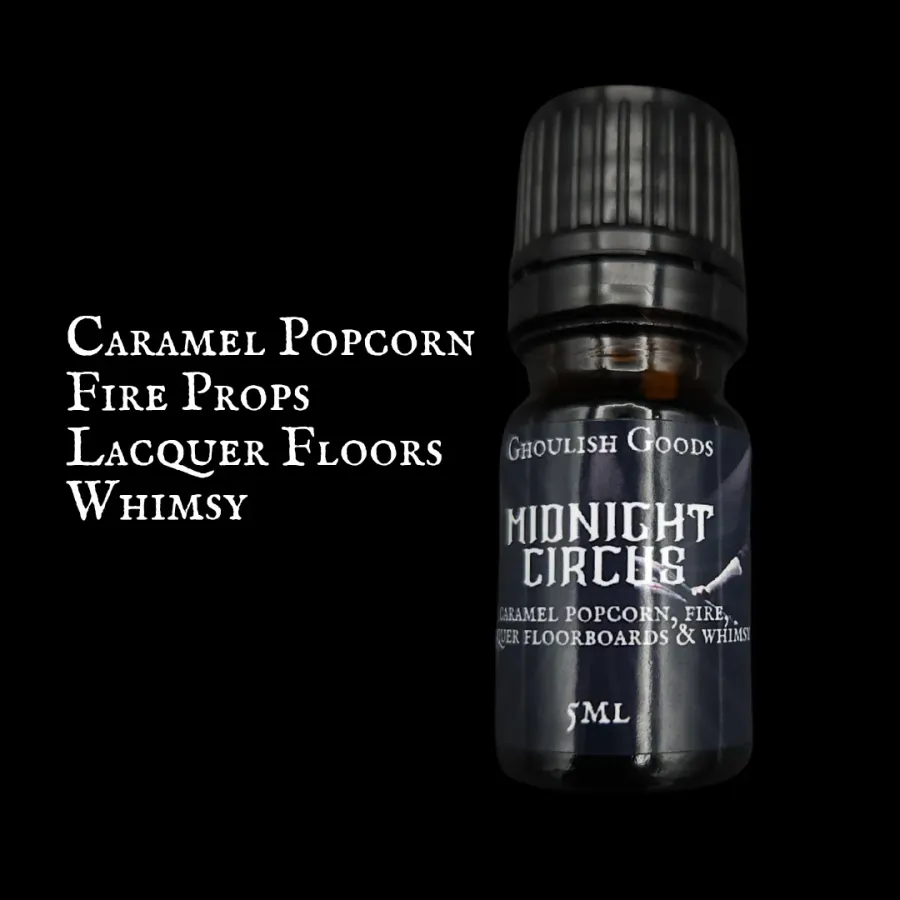
- Domestic houses are an unglamorous but real answer for small orders. Ghoulish Goods ships from the United States with oils from $8 to $35, which is the sort of order the new rules punish most from abroad.
None of this makes an overseas order a bad one. It makes it a considered one: fewer and larger parcels, and a clear eye on which houses absorb the cost and which pass it on. For readers who want oud without an import entry to think about, the library has oud under $60.
Where to start
- Midnight Circus by Ghoulish Goods, $22 to $31 (5ml and 10ml). Hickory, caramel and incense over cedar, oud, amber and musk, shipped domestically. For the reader who wants smoke and sugar this Halloween without a customs line.
- Golden Saffron by Bortnikoff, $50 to $180 across sizes. Citrus and saffron over vanilla, tobacco and sugar, and the cheapest way into a Bangkok house. For a first test of whether importing is worth the paperwork.
- Khadra by Al Shareef Oudh, $399. Bergamot, lime and lemon over lavender, rosemary and camphor, then oud, patchouli and oakmoss. For the reader making one deliberate import from Australia rather than four small ones.