Gourmand oud isn't new: the indie attar houses never left it
Trend forecasts have made sweetened oud the defining move of 2026, but Al Shareef Oudh, Olfa Originals and Fort & Manlé have treated vanilla-and-amber oud as a default register for years.
Undernotes5 min readTrend
Trend forecasts for 2026 have converged on one compound word: gourmand-oriental. The idea is oud and dark woods pulled into range by vanilla, amber, almond or praline, assertive but still edible enough to wear at a desk. It is being reported as a discovery. For a set of small, owner-run oud houses, it is simply what their catalogues have always smelled like.
The data behind the framing is real. Spate's 2026 trend report records pistachio searches up 852.5% year on year, observes that shoppers "don't want generic vanilla anymore", and, more usefully, tracks oud's crossover: two years ago most American consumers "would have smelled oud and backed away", while now it "shows up in everyday rotation for people who'd never heard the word before 2023". What changed was the audience, not the perfumery.
What 2026 is calling new
The structure described in the trend pieces has three parts: a sweet or nutty idea on top, a vanilla or tonka spine, and something dry and resinous underneath doing the anchoring. Framed as innovation, it reads as gourmand perfumery growing up. Framed against attar practice, it reads as the ordinary way oud has been dressed for a very long time. Raw agarwood is difficult, medicinal and often frankly animalic, and sweet resins, ambergris and sandalwood are what have historically surrounded it.
The library bears that out. Oud appears in more than 80 fragrances here, and its most common companions are amber, musk, patchouli, vetiver, rose and saffron. Vanilla turns up in more than 300. Sweet-and-resinous next to oud is not a crossover position in indie catalogues; it is the standard adjacency.
Three houses with the same default
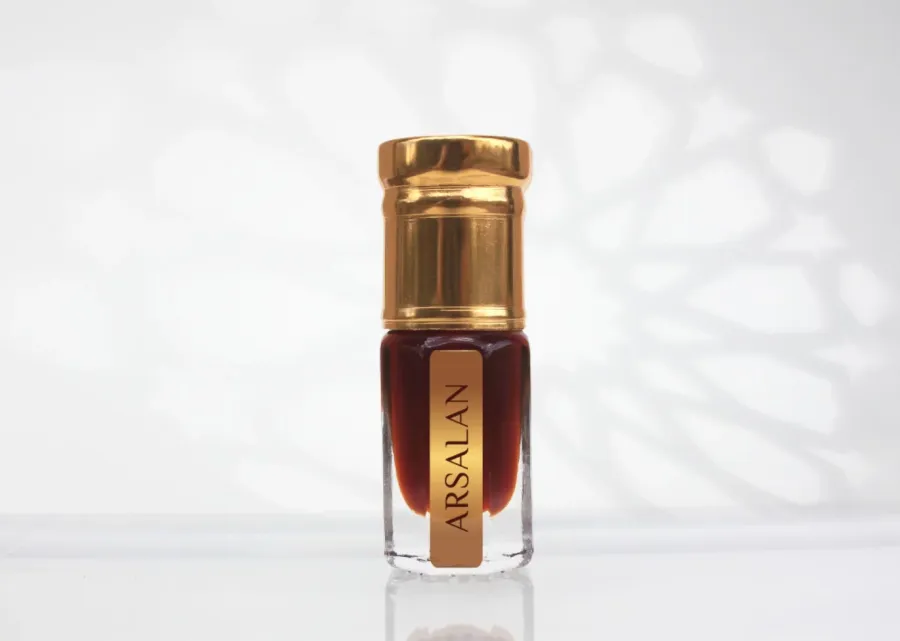
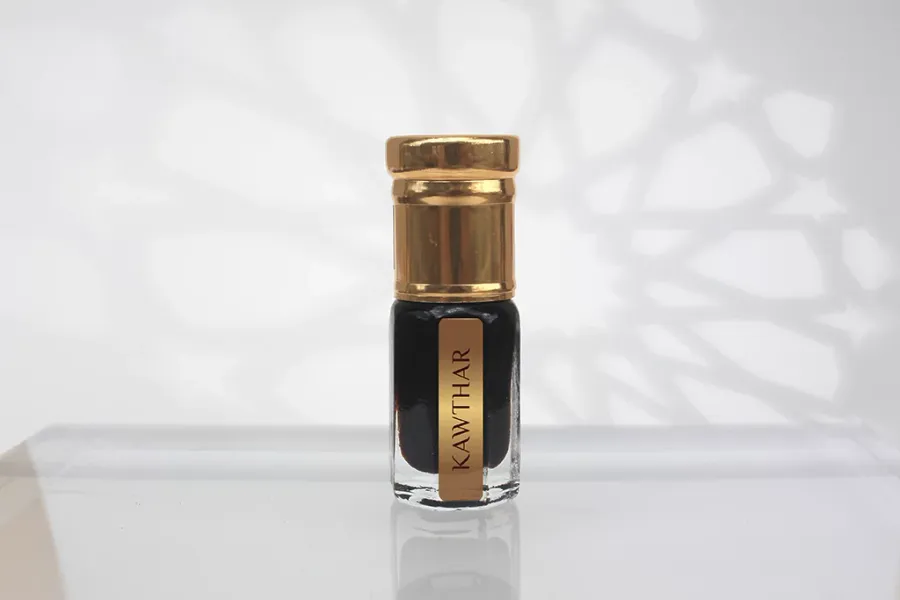
Al Shareef Oudh works out of Carramar in Western Australia, a family business run by Al Shareef Jawed that distils oud oil and makes attars, bakhoor and incense, and describes itself as "not mere enthusiasts". Fifty-two of its fragrances are in the library. The clearest exhibit is Kawthar, an attar priced from $40 to $450 depending on size: rose, jasmine and peppermint over musk and pandanus, resting on Mysore sandalwood, oud and ambergris, and filed under floral, white-floral and gourmand. Its sibling Arsalan is a $40 perfume oil built from lemon molasses, mango pulp, tamarind crush and caramel, with tobacco, coffee, leather, rose petals and ambergris beneath. Notably, oud does not appear in its listed notes at all. The sweet, sticky, resinous accent is the house voice on its own terms, not a softening applied to a wood.
Olfa Originals, founded in New Delhi in 2016 by Pallavi Bhatia, is oud-first in almost every listing. Pheromones (9500 INR for 100 ml, currently out of stock) opens green and sharp with galbanum, basil, blackcurrant and chilli, puts almond in the heart alongside lily of the valley, hyacinth, jasmine and ylang-ylang, and lands on oakmoss, patchouli and oud. An almond heart over a mossy, oud-anchored base is precisely the architecture the trend reports are describing, sitting in a catalogue that has been arranged this way since well before anyone called it a trend.
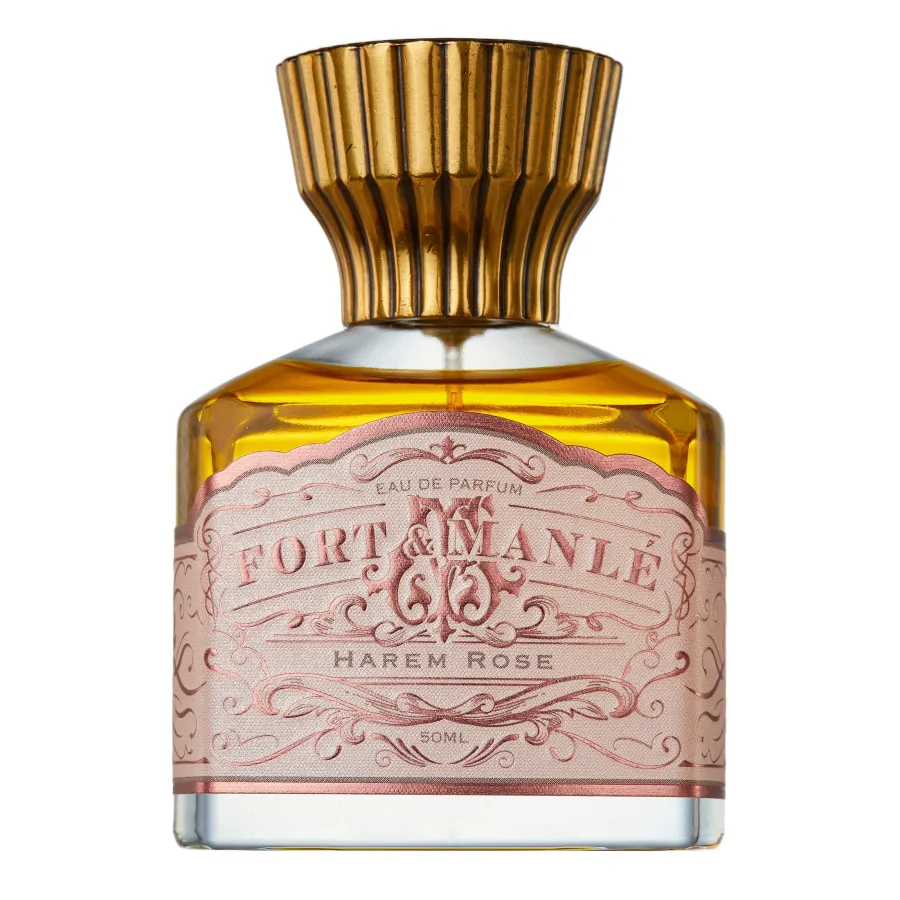
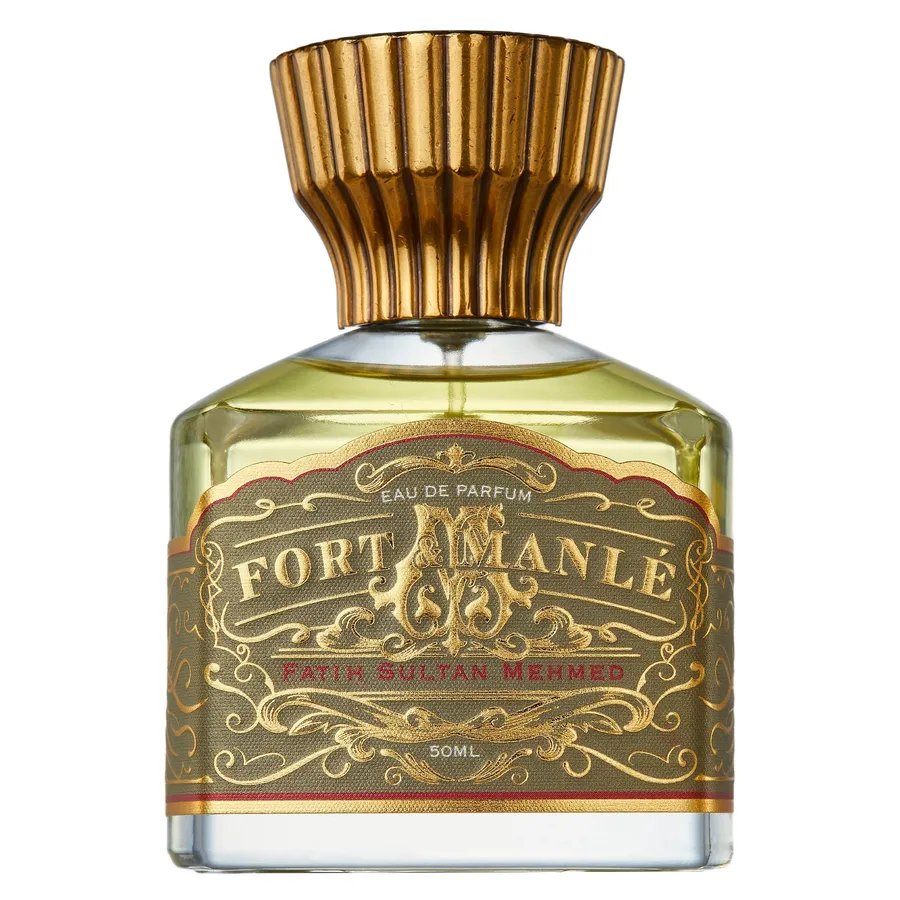
Fort & Manlé in Melbourne, run by perfumer Rasei Fort, offers a useful pair. Harem Rose, $250 for 50 ml, lists vanilla, damascene rose, cashmere, musk, woods and vetiver, without positions given and without oud. Fatih Sultan Mehmed, also $250 for 50 ml, does list it: bergamot, apple, rose, tulip, iris, vanilla, incense, cedar, patchouli and oud. Vanilla and oud in one note list with rose and incense between them is the 2026 formula written out in full, in a house whose stated method is blending artisanal oils and extracts by hand.
What it costs to buy it at source
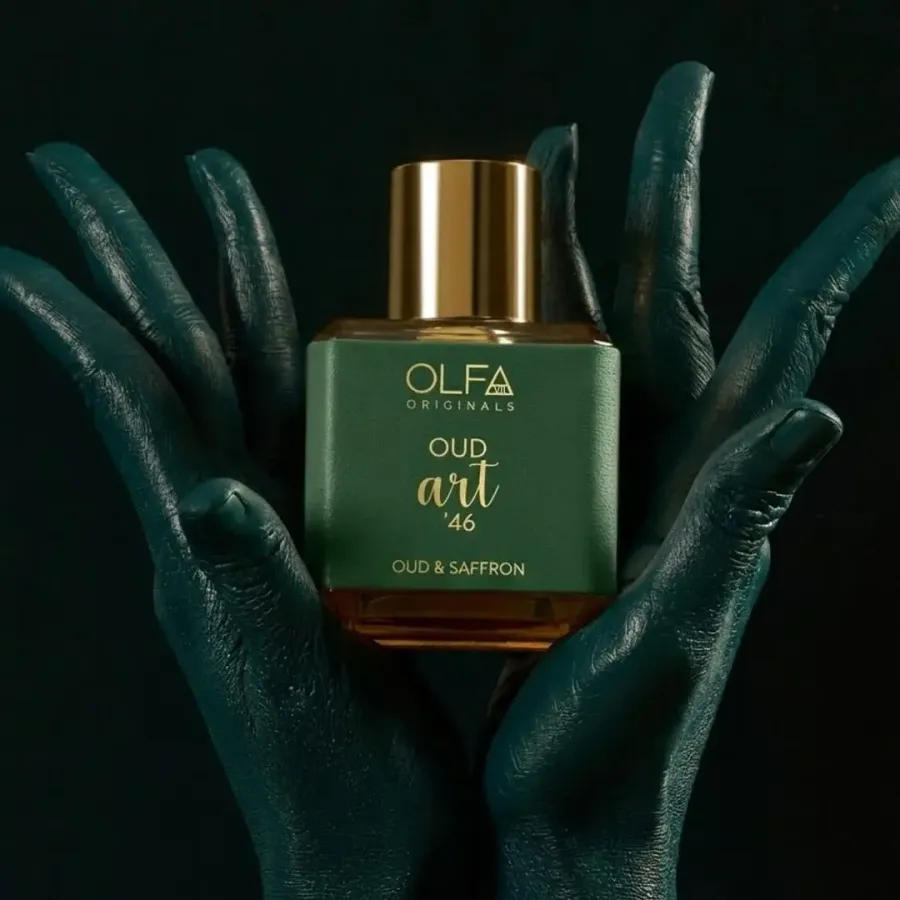
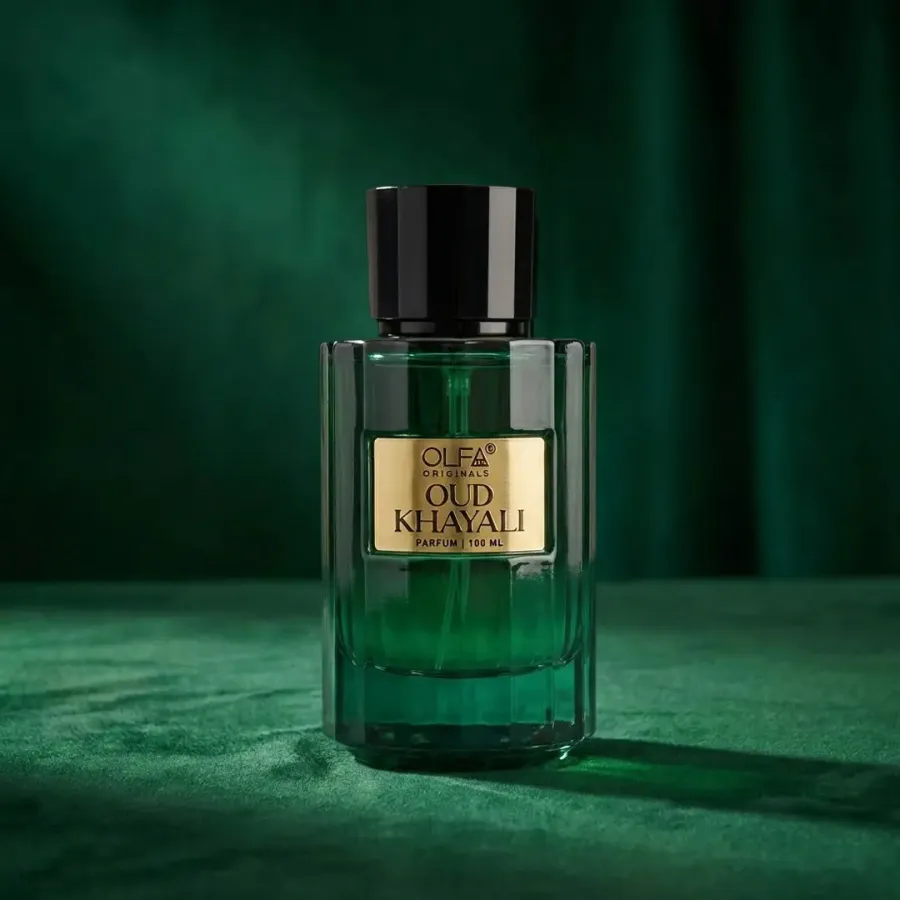
The pricing is the part mainstream coverage tends to skip. Attar and oil houses sell by the millilitre, so the cost of trying the register is low. Arsalan is $40. Kawthar starts at $40. Olfa's Oud Art '46 | OUD D'OR, which puts saffron, clove, caraway, palmarosa and musk over oud, amber, guaiac wood, cedar and sandalwood, is 4800 INR for a 6 ml huile de parfum, against 12500 INR for the 100 ml eau de parfum. The same house's Oud Khayali, which is not sweetened at all, is 15500 INR for 100 ml. Fort & Manlé holds most of its line at a flat $250. The range across the oud shelf here is wide, and the sweet things are not automatically the expensive things.
The version without the sugar
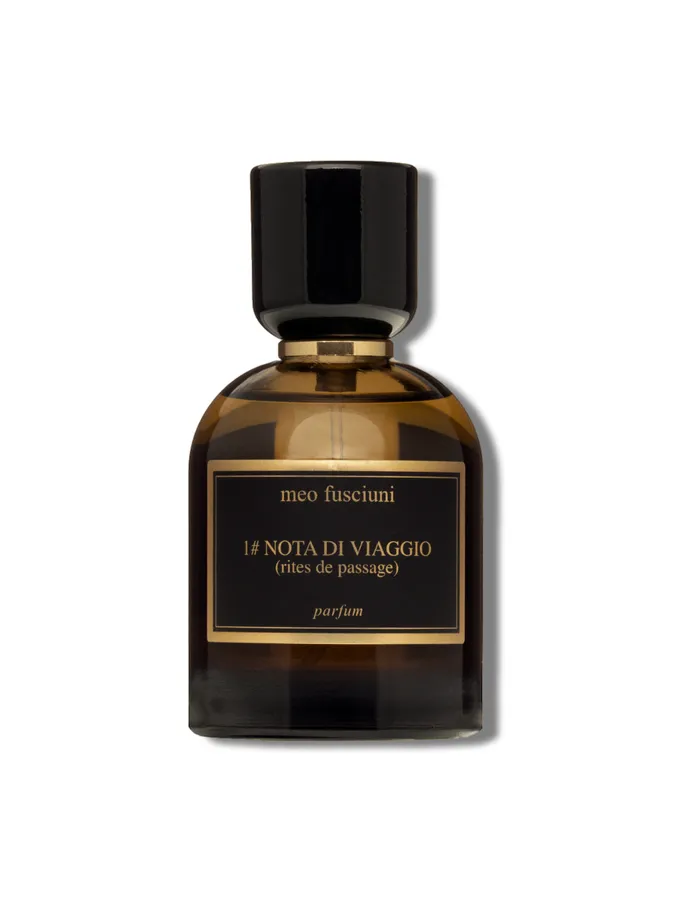
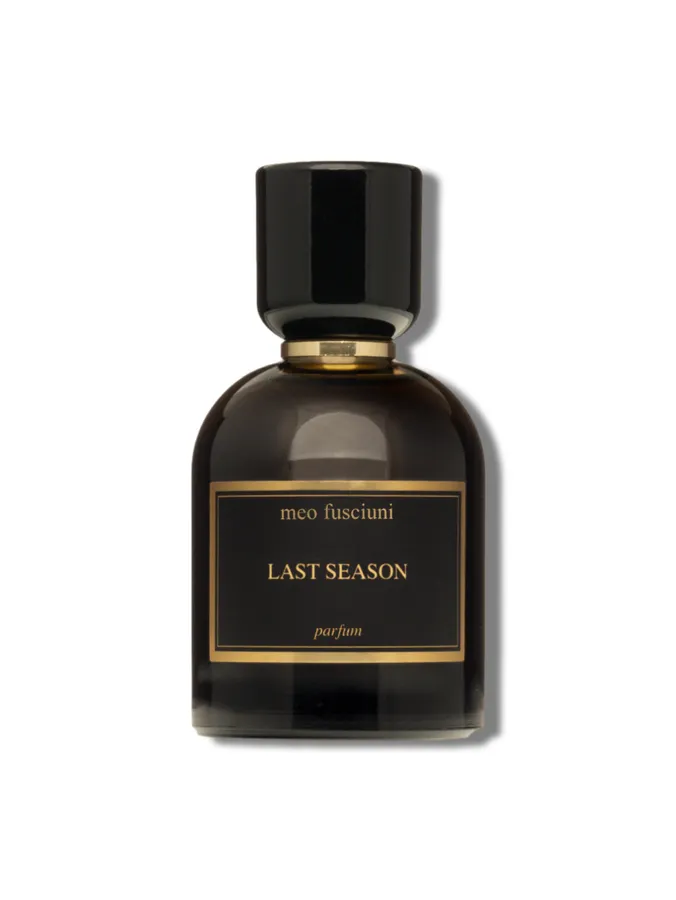
Sweetening is a choice these houses make rather than a rule they follow, which is easiest to see in the fragrances where they decline it. Meo Fusciuni, the Italian house founded in 2010 by Giuseppe Imprezzabile, includes both oud and vanilla in 1# Nota di Viaggio (€8–€180), alongside saffron, cinnamon, tobacco absolute, incense and two peppers. Its Last Season (€10–€220) uses oud without any vanilla, among immortelle, hay, bladderwrack seaweed, cistus, leather, myrrh and birch, and the family reads as woody, earthy and aquatic instead.
Toskovat', founded in Romania in 2022, goes further in the other direction with In The Belly of The Beast ($386–$427, currently out of stock), where oud sits with saffron charas, copal, elemi, costus root, lanolin, ambergris, driftwood, moss and lichen. Same material, no comfort applied.
That contrast is the actual story. Gourmand oud is not the discovery of 2026; it is one of several long-standing settings for a difficult raw material, and the houses that specialise in it have been running that setting as their house style rather than as an experiment in reach.
Where to start
- Arsalan, Al Shareef Oudh, $40. Caramel, mango and tamarind over tobacco, coffee and leather. The cheapest way to find out whether the sweet-and-woody register suits before committing to an attar.
- Fatih Sultan Mehmed, Fort & Manlé, $250 for 50 ml. Vanilla, rose, incense and oud in one composition, for anyone who wants the idea in a conventional spray rather than an oil.
- Oud Art '46 | OUD D'OR, Olfa Originals, from 4800 INR for 6 ml. Saffron, clove and caraway over oud, amber and guaiac. For readers who want the spice-and-amber side of the register rather than the dessert side.