
Early autumn in the oil houses is roasted, not sweet
The equinox lands on 22 September, and three American oil houses treat the season as damp earth, resin and smoke, with sugar used only as seasoning.
Undernotes4 min readSeasonal

Autumn turns on 22 September, and the fragrance shelf usually greets it with sugar: pie spice, syrup, a cinnamon candle rendered in liquid form. The independent oil houses tend to go the other way. Look at what three of the better-known American ones have out for the season and the shared vocabulary is not sweetness at all. It is damp soil, coumarin, resin and something charred at the edges.
The distinction matters practically. September is when most people rebuild a rotation for indoors, in heated rooms and under layered clothing, and a fragrance built on caramel alone gets tiring by the second week. Built on hay, moss and smoke, it does not.
The pumpkin that refuses to be pie
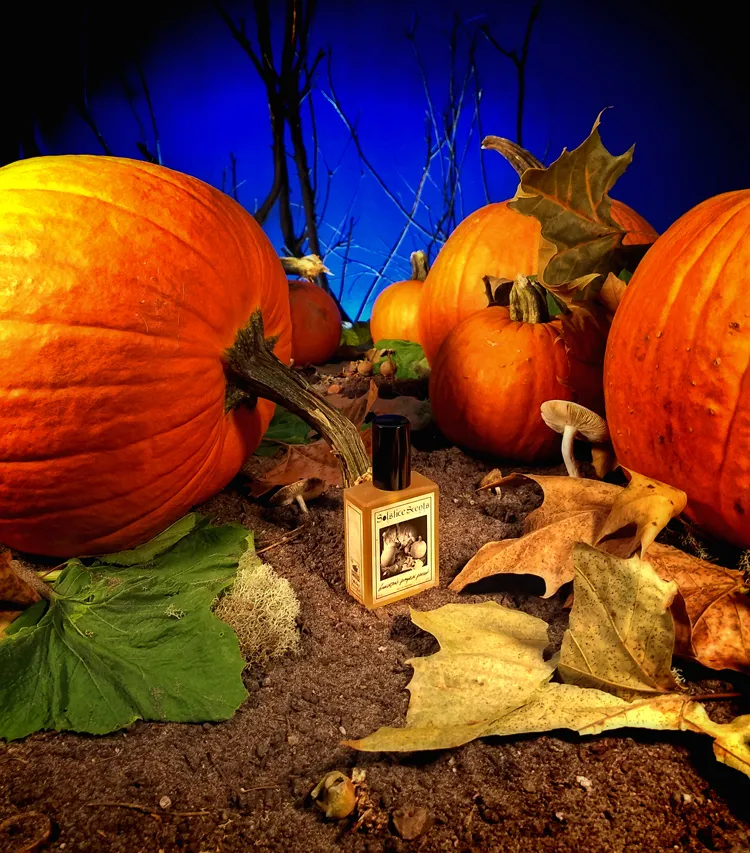
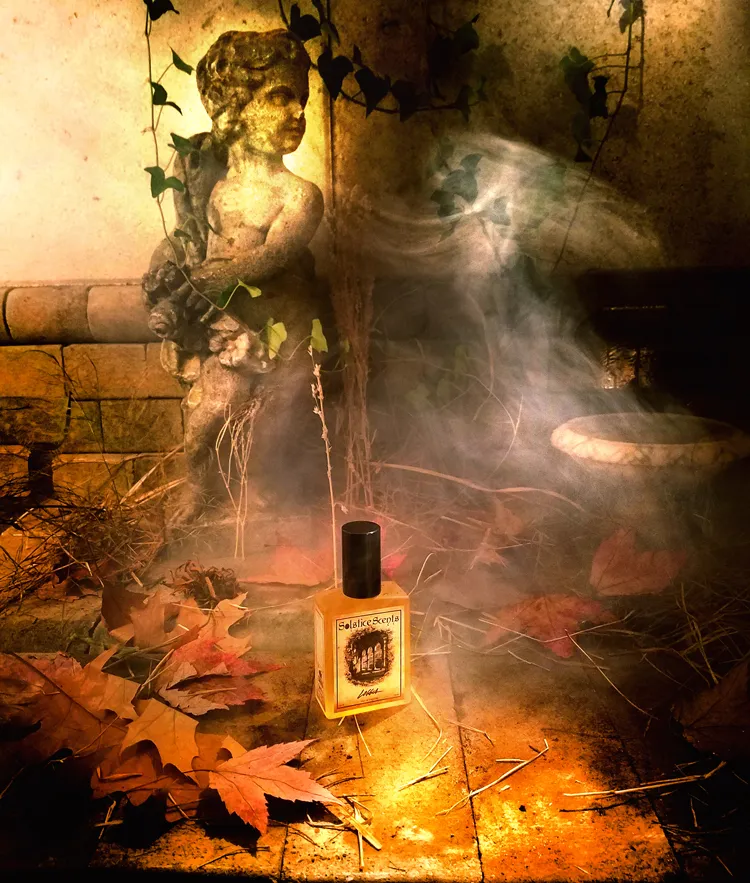
Solstice Scents, founded in 2004 by Angela St. John and based in northern Florida, has been making this argument for years. GUNNERSON'S PUMPKIN PATCH lists leaves, vine, autumn air, pumpkin flesh, lavender, moss, balsam, tonka bean, hay, caramel, dirt, patchouli and mushroom. The house calls it a coumarin-heavy fougère with gourmand overtones, an interpretation of the patch itself rather than a spice-led dessert.
Read that as a structure rather than a wish list and the intent is clear. Lavender, hay and tonka form a fougère spine, which is a dry accord rather than a sweet one. Pumpkin arrives as flesh: the raw, faintly vegetal smell of a cut gourd, not custard. Mushroom, dirt and moss hold the composition at ground level. The caramel is a single warm streak through cold, wet material, which is roughly the ratio of an actual field in late September.
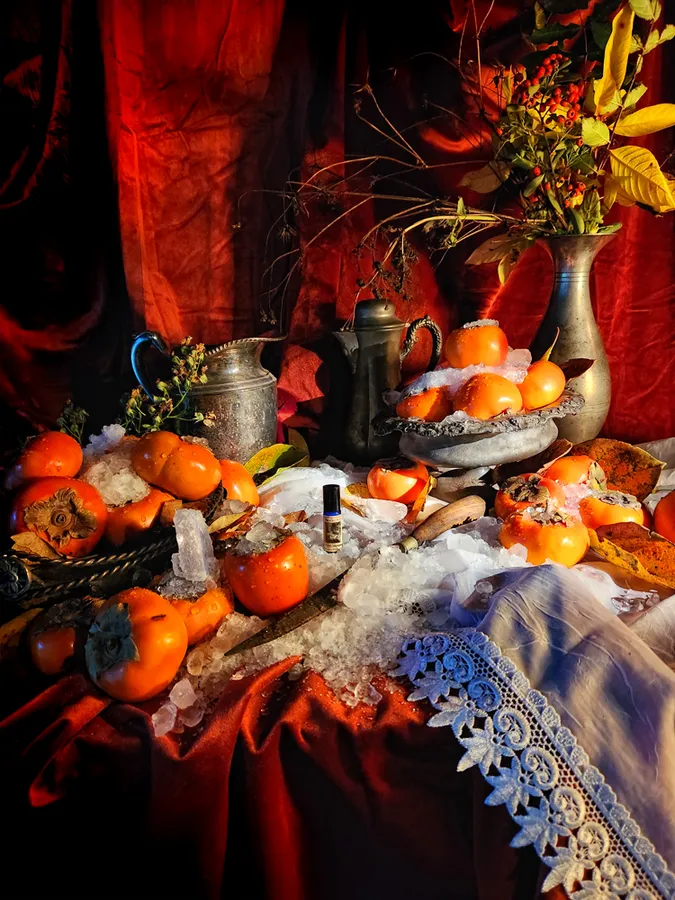
Solstice Scents does this repeatedly. CRIMSON SAP & SASSAFRAS sits in the woody-amber range rather than the bakery one; Iced Persimmon is the genuine dessert in the catalogue, with vanilla frozen custard, persimmon pulp, waffle cone and a clove-nutmeg-cinnamon trio.
Cream and temple smoke on the same skin
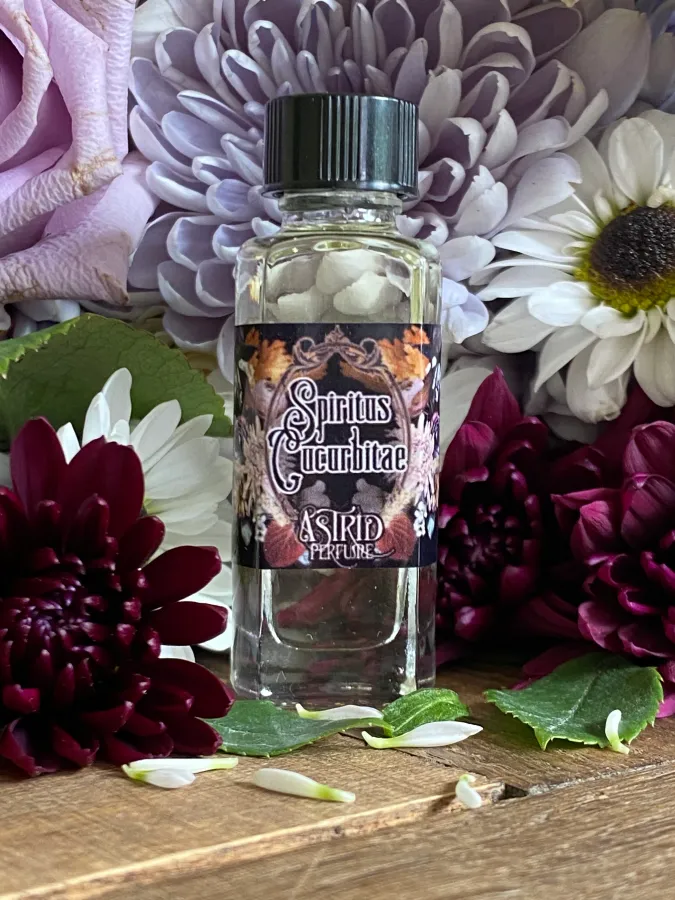
Astrid Perfume, a one-person operation in Rosebush, Michigan, takes the opposite route to the same place. Its product page for Spiritus Cucurbitae describes an Autumn 2026 limited edition built from the house's summer Ultra Crème accord (whipped cream, vanilla, milk, tonka, peach blossom, white patchouli, marshmallow and coconut mousse) with pumpkin pie and nag arbat incense added on top. It is listed at $30 for an 8ml bottle.
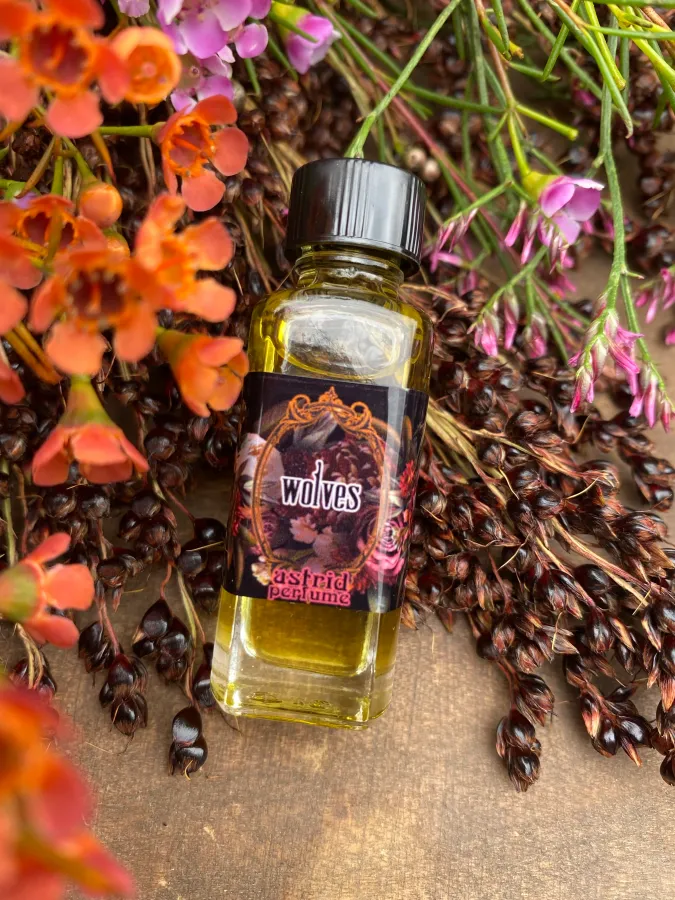
The interesting move is structural rather than seasonal decoration. Astrid takes an existing warm-weather cream base and turns it autumnal by adding smoke, not by adding spice. That is a useful lesson for anyone doing the September changeover with what they already own: incense over gourmand shifts a fragrance's temperature far more efficiently than another dose of cinnamon. Astrid's Wolves, with amber, vanilla, tobacco, a pair of patchoulis and clove, is the same principle without any dessert at all.
The version with no sugar in it
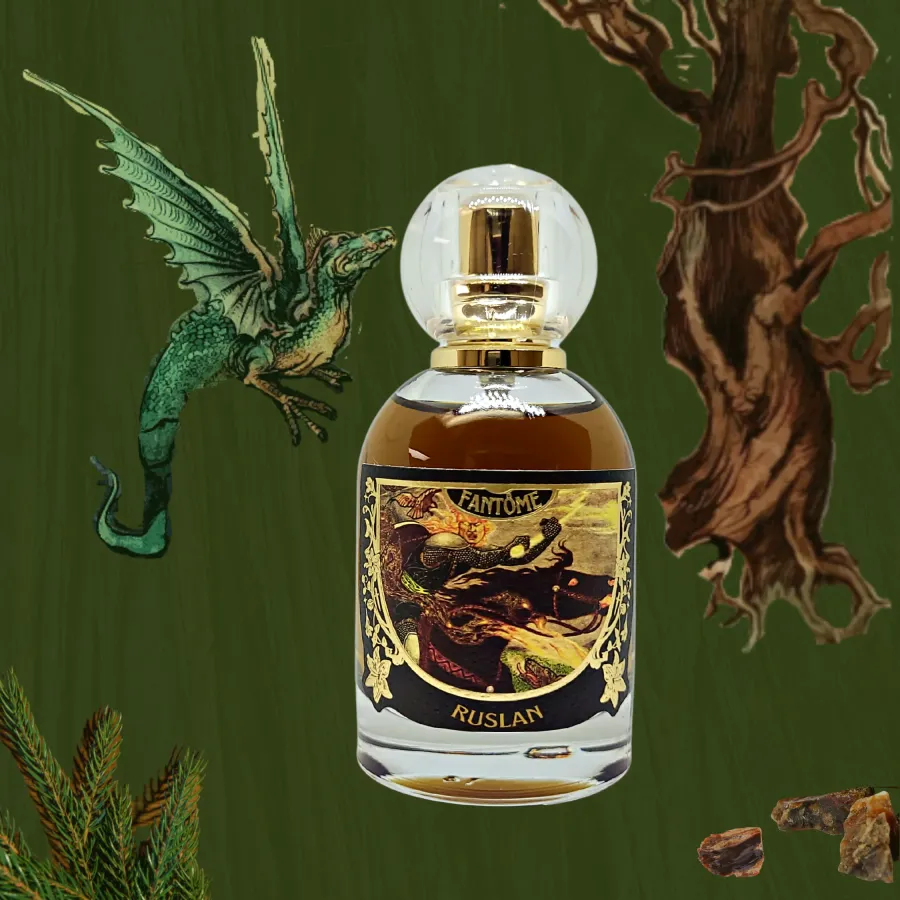
Fantôme, run since 2017 by Bree and Megan Elliott in Ilwaco, Washington, supplies the far end of the range. Ruslan is listed as black spruce, smoky opopanax, oud, fresh cedar, hinoki, dry fir needles, oakmoss, frankincense and black tea, and the house describes it as a warm, dry forest made largely from natural materials, inspired by the Russian tale of Ruslan's journey across endless forest.
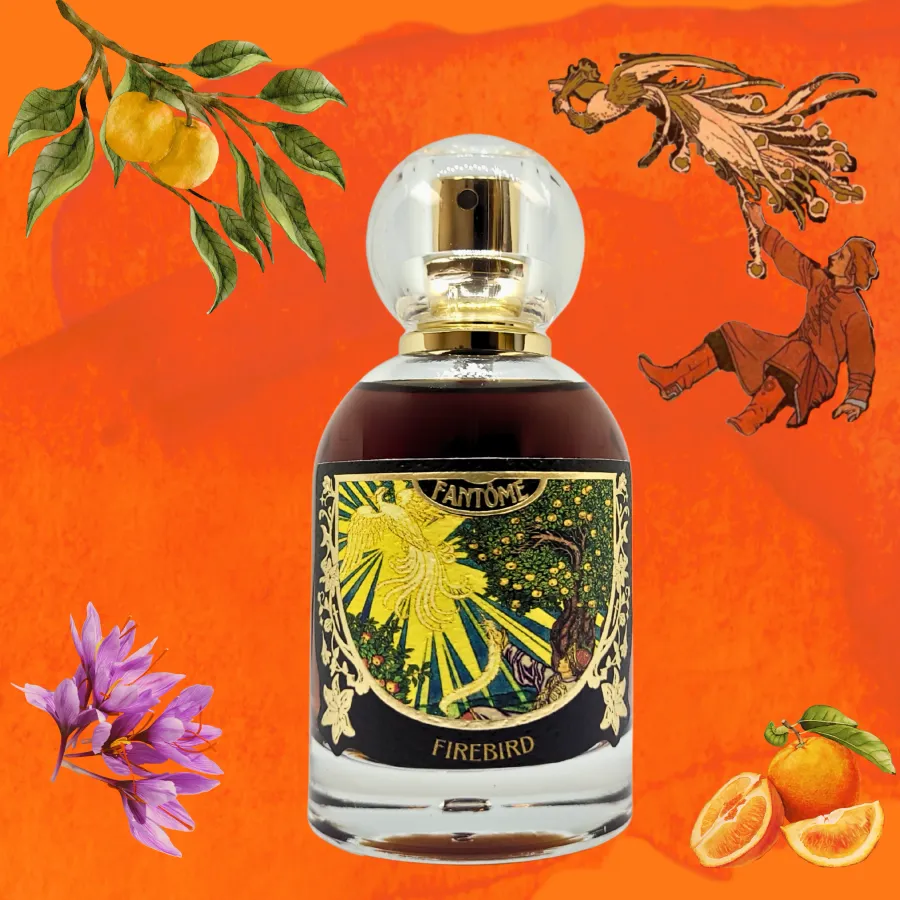
Nothing in that list is edible, yet it belongs to the same season as the pumpkin patch. Opopanax and frankincense are resins, which read as warm and slightly sweet without any sugar; oakmoss supplies the damp forest floor that Gunnerson's gets from dirt and mushroom; black tea provides the tannic dryness of fallen leaves. Fantôme's Firebird pushes further into ash, with embers, clove, orange, saffron and soot.
The three notes doing the actual work
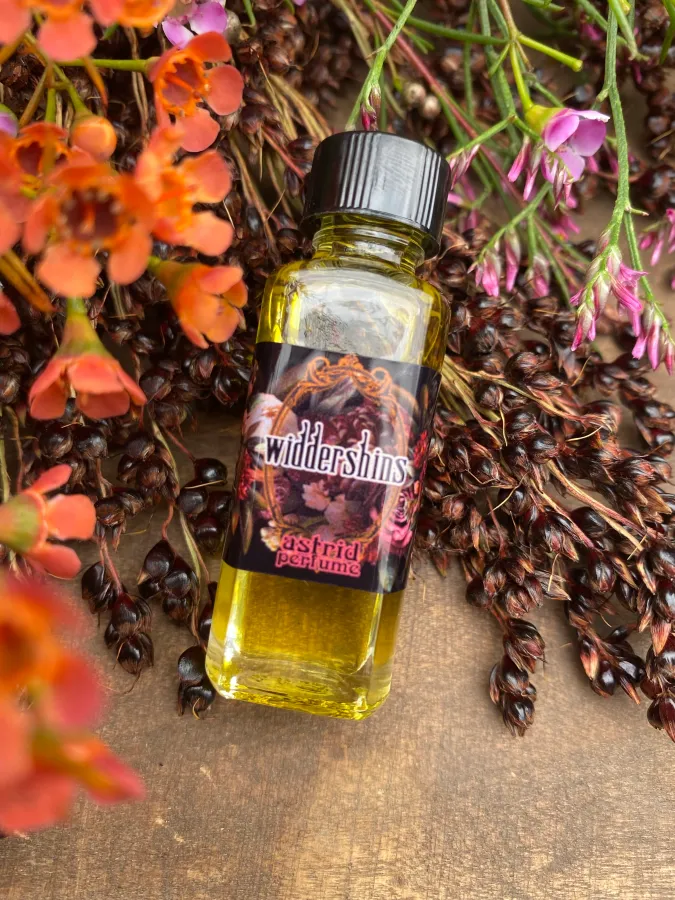
Line the three up and the connective tissue is not pumpkin. It is resin, coumarin and spice used as structure. Clove appears in more than 80 fragrances in the library and is the most reliable autumn pivot of the lot; it is hot and slightly medicinal, and a small amount makes fruit read as cooked rather than fresh. It is what makes Astrid's Widdershins, with its quince, ginger, apple, plum, blood orange, sage and cinnamon, feel like a kitchen in October rather than a fruit bowl in June.
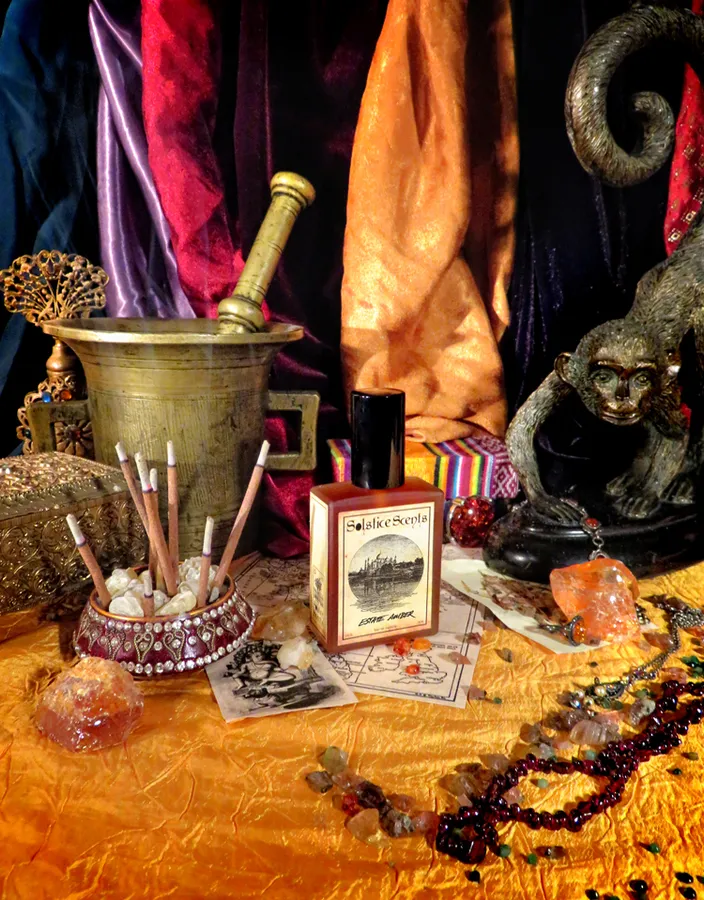
Cardamom does something different: it is cool and camphorous, and it keeps amber from going syrupy. That is its job in Solstice Scents' LOGGIA, alongside mahogany, allspice, black pepper and cognac, and in ESTATE AMBER, where vanilla, amber and coriander could otherwise sit heavy.
And moss earns its place. Oakmoss turns up in Ruslan, in The Mirror with balsam fir and clove, and in Headmistress with plum, cognac, labdanum and paper. It is the accord that makes a fragrance smell of outdoor air rather than a warm room, which is precisely the difference between September and December. If the equinox is the switch, the whole of the smoky end of the library under $60 is where to look next.
Where to start
- GUNNERSON'S PUMPKIN PATCH, Solstice Scents, $19.50–$85. For anyone who wants pumpkin without the bakery: cold air, wet leaves and one thread of caramel.
- Spiritus Cucurbitae, Astrid Perfume, $30. For the gourmand wearer curious about incense, since the smoke sits on a cream base rather than replacing it.
- Ruslan, Fantôme, from $11 for a 1.5 ml sample up to $175 for 50 mL. For the reader whose autumn is conifer, resin and tea, with no sugar anywhere. Stock rotates, so check sizes before planning around it.