
Winter citrus: orange takes the clove, mandarin takes the resin
Mandarin's commonest companions in this library are rose and bergamot, while orange's include clove, which is worth knowing before a November order.
Undernotes3 min readSeasonal
Mandarin is a winter crop. Its reputation as a summer note has more to do with how colognes are built than with when the fruit ripens, and a number of independent houses treat it accordingly, dropping citrus into blends of leather, resin, tobacco and coffee.
The split between the two common citruses shows in the library's own data. Mandarin is carried by 136 fragrances, and the notes beside it most often are rose, bergamot, patchouli, vanilla, sandalwood, jasmine, musk and cedar: florals and soft woods, no spice at all. Orange is carried by 111, and clove is among its eight commonest companions. For an orange and clove perfume, follow orange. Mandarin's cold-weather route runs through resin and wood.
The oil under discussion
Mandarin oil is cold-pressed from the rind of almost-ripe fruit, at a yield of about 0.5%. It is dominated by limonene (65 to 75%), with gamma-terpinene at 16 to 22% and a few tenths of a percent of methyl N-methylanthranilate, which accounts for the oil's fluorescence. Its odour is classed as floral citrus rather than plain citrus, and that floral edge is the practical difference: a citrus with somewhere to go can join a heavy blend instead of sitting on top of it.
The other half of the subject needs a correction. The clove-studded orange is a twentieth-century object. The original pomander, from the French pomme d'ambre, was a ball or pierced case of scented matter hung from a chain, in use from the late Middle Ages to the 17th century; one Renaissance recipe combined benzoin and labdanum with rose water, cinnamon and cloves. The historical reference for a spiced orange accord is resin plus spice, not fruit plus spice.
Spiced pomander
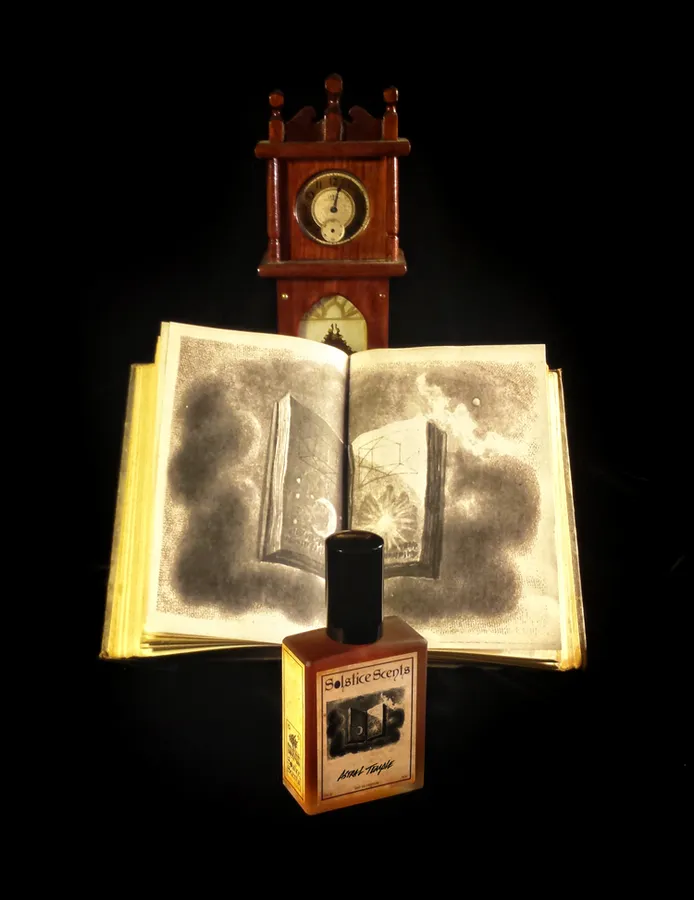
Astral Temple from Solstice Scents is the closest thing here to that recipe: amber, ginger, orange, clove, patchouli, vetiver and frankincense, an eau de parfum at $85. The Florida oil house has been running since 2004 under Angela St. John, and its catalogue leans gourmand and resinous. This is the resin end of it.
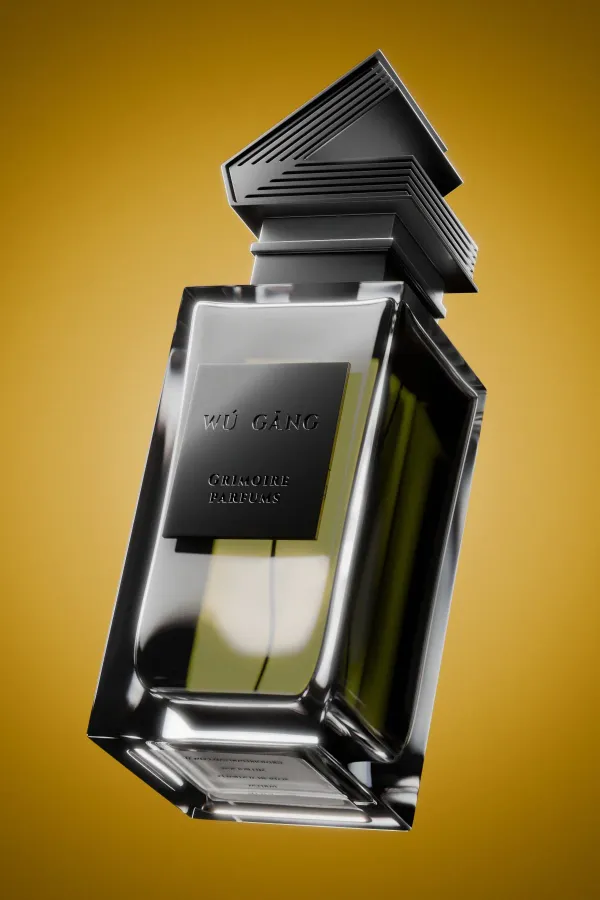
WÚ GĀNG by Grimoire Parfums of Melbourne is the exception to the pairing pattern above: mandarin in the top with Sichuan pepper and cardamom, cinnamon in the heart with osmanthus and sambac jasmine, then tobacco, birch tar, castoreum and wool underneath. 19 AUD to 349 AUD across sizes.
Mischief Master puts orange and saffron over carnation, orange blossom and labdanum, with oakmoss and musk. $19, currently out of stock.
Dark and sweet
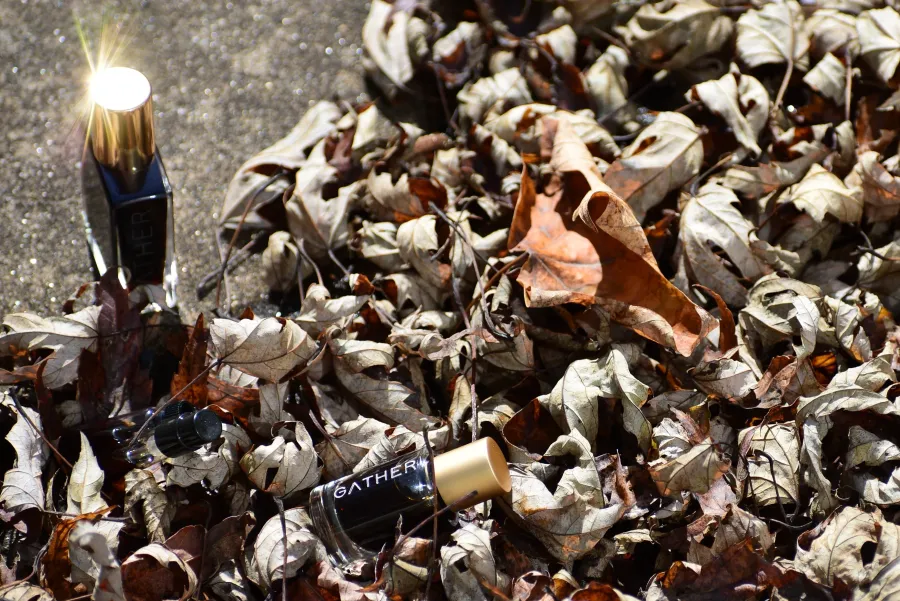
FALLING by GATHER runs mandarin, bergamot and lime into espresso, coffee, almond, vanilla, labdanum and balsam fir. Ananda Wilson works only with natural materials in South Hadley, Massachusetts; the range is $7 for a half-millilitre sample up to $169 for 15 ml of extrait, currently out of stock. Coffee with citrus is the mechanism worth watching.
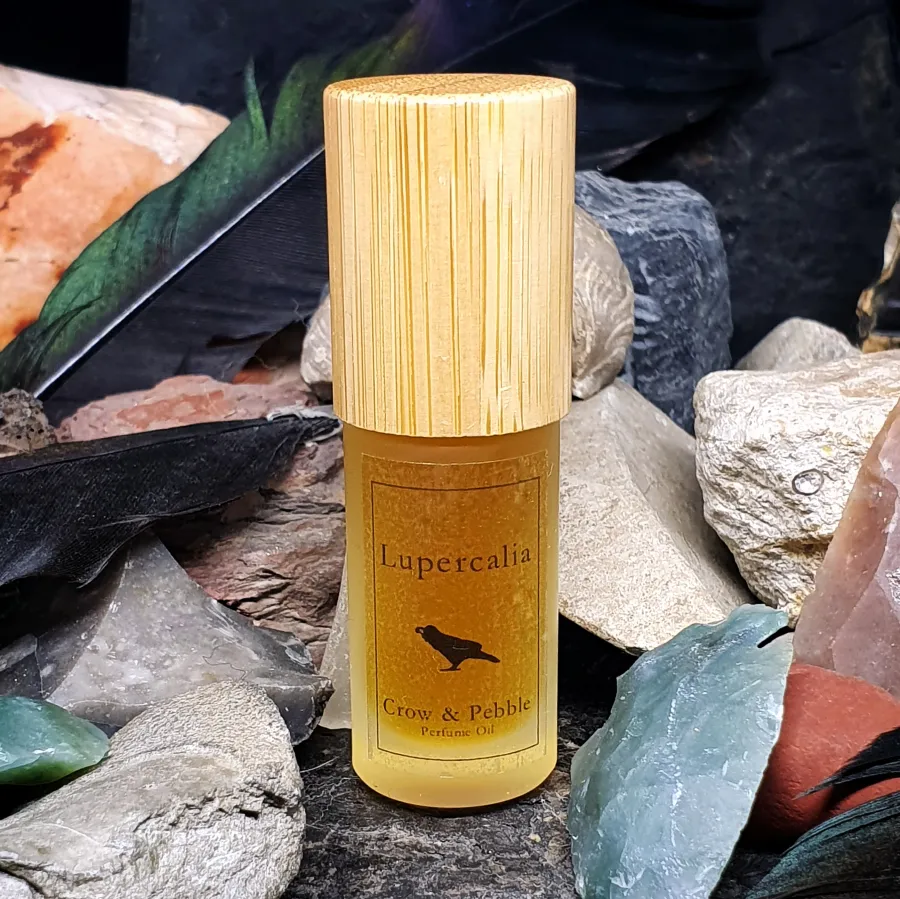
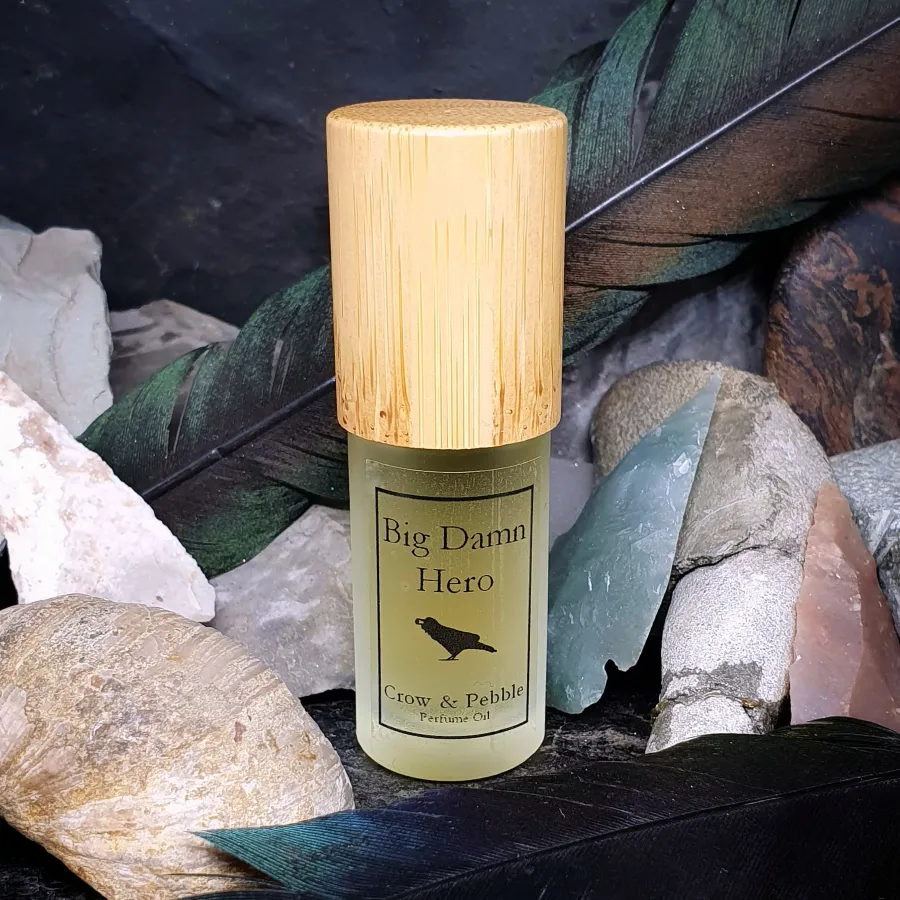
Crow & Pebble, a Glasgow oil house, does something similar three ways at $19 a bottle. Mother Dusk sets orange against coffee, coriander, pine and fir. Lupercalia makes orange the only bright thing in Russian leather, vetiver, deep roses, honeyed black tea, tobacco and black pepper. Big Damn Hero pairs mandarin with leather, skin musk, geranium and lavender, and is out of stock.
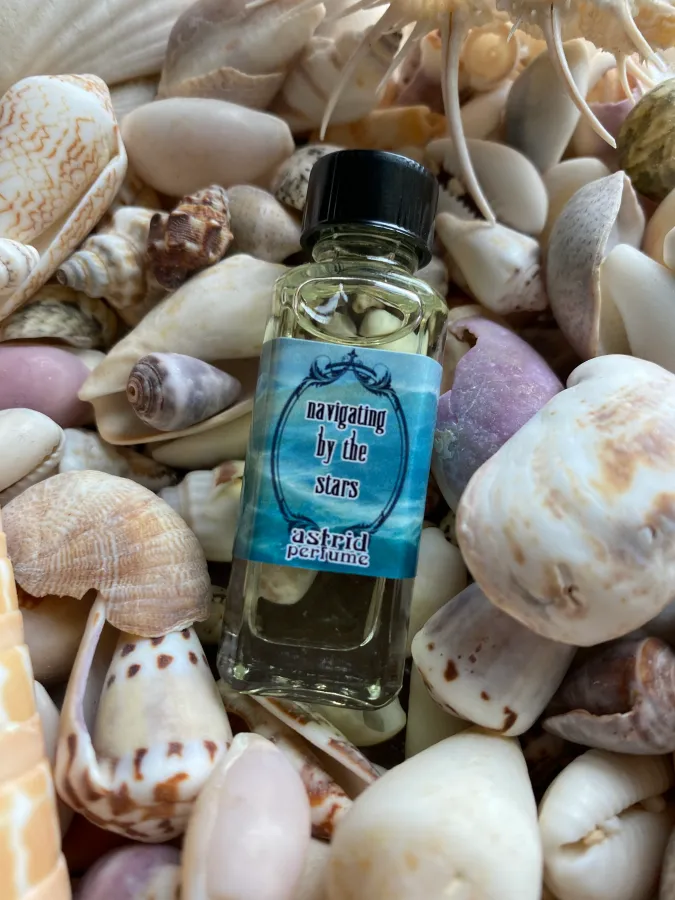
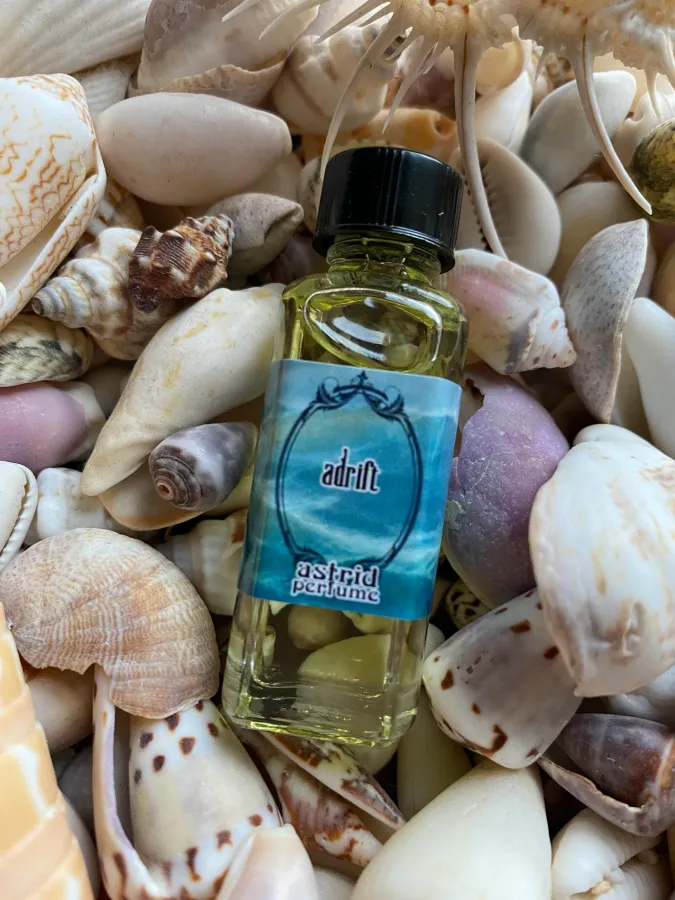
Navigating by the Stars from Astrid Perfume in Rosebush, Michigan, takes the woody route: mandarin with palo santo, ship wood, patchouli, amber and musk, $30. The same house's Adrift, also $30, is the summer treatment for comparison, with coconut, sugared lemon and reeds.
Bright cologne, cold weather
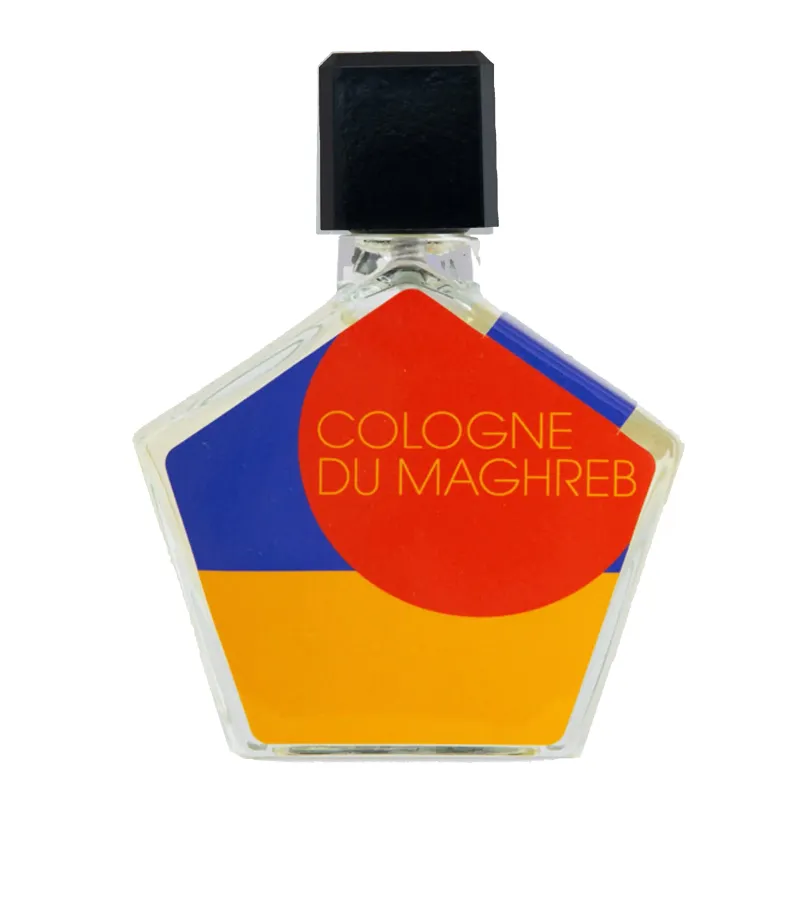
A cologne gets through November on its base. Cologne du Maghreb, made by Andy Tauer in Zurich, stacks ten materials in the top (mandarin, clementine, petitgrain, rosemary, clary sage, litsea, grapefruit, bergamot, lemon, lavender) and four florals in the heart, then cistus ambrein, Atlas cedar, vetiver and labdanum, which is the part doing the cold-weather work. 117 CHF.
For a colder reading of the same note, Fault in Crystal sets mandarin beside violet, lavender, dragonsblood incense, wet stone and petrichor, $19.
Where to start
- Astral Temple, $85: for the reader who wants the spiced pomander idea done straight, orange over frankincense and clove.
- Fault in Crystal, $19: the cheapest way to test whether mineral, incense-backed mandarin suits cold air.
- Cologne du Maghreb, 117 CHF: for anyone unwilling to give up citrus, with a resin base under it.