
Day Three Fragrances: two deserts, a Dominican amber, a $10 sample
The Arizona house behind La Tacita de Café splits its catalogue between dry incense and honeyed spice, and prices nearly all of it on one ladder.
Undernotes4 min readMaker profile
The loudest thing in the Day Three Fragrances catalogue is smoke, and it is not the biggest thing in it. Two perfumes carry the dry desert idea; the rest of the families run gourmand, floral, fruity and woody. That gap between the reputation and the shelf is the most useful way into a house of fifteen fragrances priced from $10 to $250.
The house is in Gilbert, Arizona. Michael Paul writes each formula, his wife Vanessa runs the business, and the perfumes are compounded, macerated and bottled by hand in house. The house's own account places the Aftel Award for Handmade Perfume alongside its first fragrance, La Tacita De Café. Its about page describes building perfumes for people who would "rather wear a memory than a logo", which is marketing, but it does predict the note lists: these are compositions built around a scene rather than around a single prized material.
Two deserts: Rain against Fire
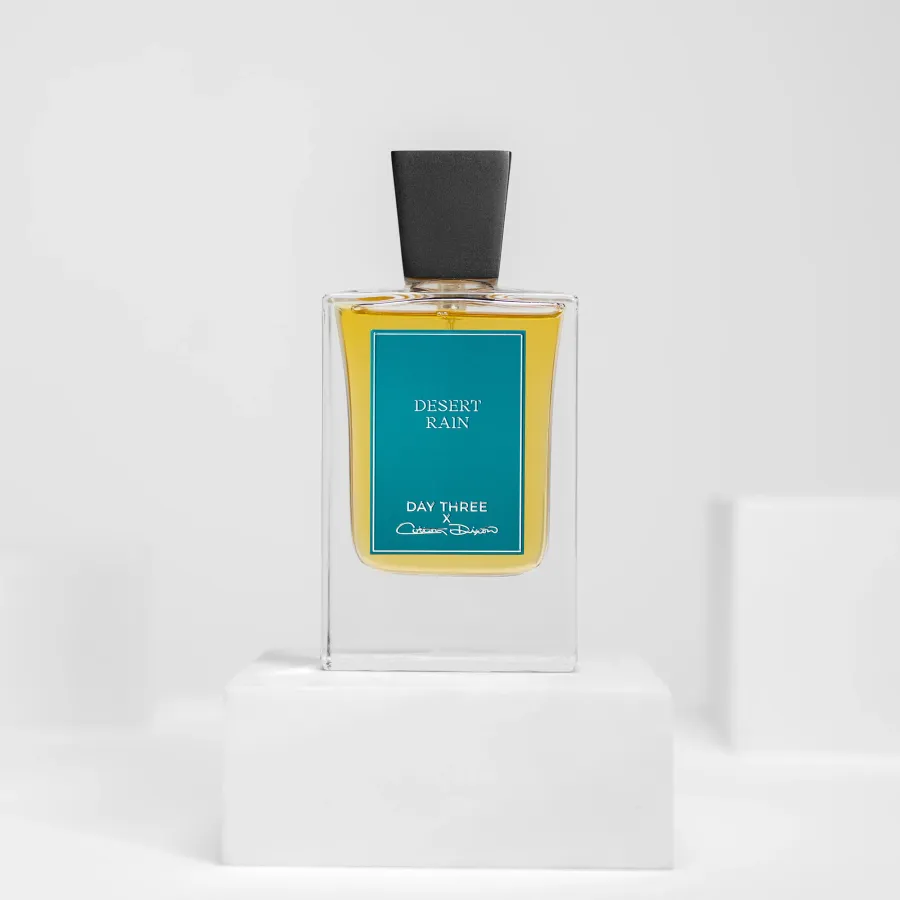
Desert Rain is the eau de parfum and the greener of the pair. Juniper, cactus blossom, nutmeg and bergamot sit over papyrus, green tea, sage and a heart note the maker simply calls Desert Rain. The base is Mysore sandalwood, olibanum, frankincense, leather and dry woods. Olibanum and frankincense are two names for the same Boswellia resin, so the list names the incense twice, which is a fair signal of how much of the drydown is meant to be resin. Nothing in the list is sweet; the sandalwood is the only soft thing in it.
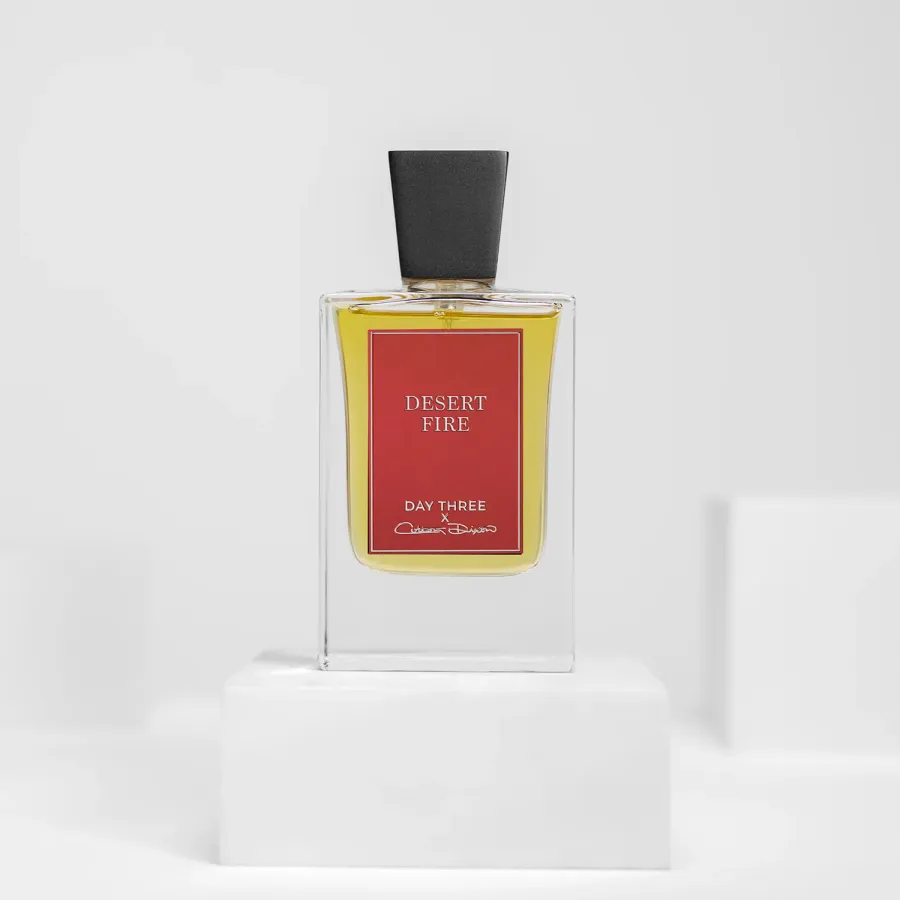
Desert Fire is the extrait and takes the same landscape after the burn. Shiso, pepper and pink pepper open it, palo santo, frankincense and myrrh make up the heart, and the base is burnt wood, leather, cypriol and resins. The two share leather and frankincense. What changes is everything green: no juniper, no tea, no sage, and sandalwood traded for cypriol, the smoky root also sold as nagarmotha. Read together they are a before and after of the same place, written at two strengths, and the second is the darker and more animalic of the two.
Ambar Dominicano and the sweet half
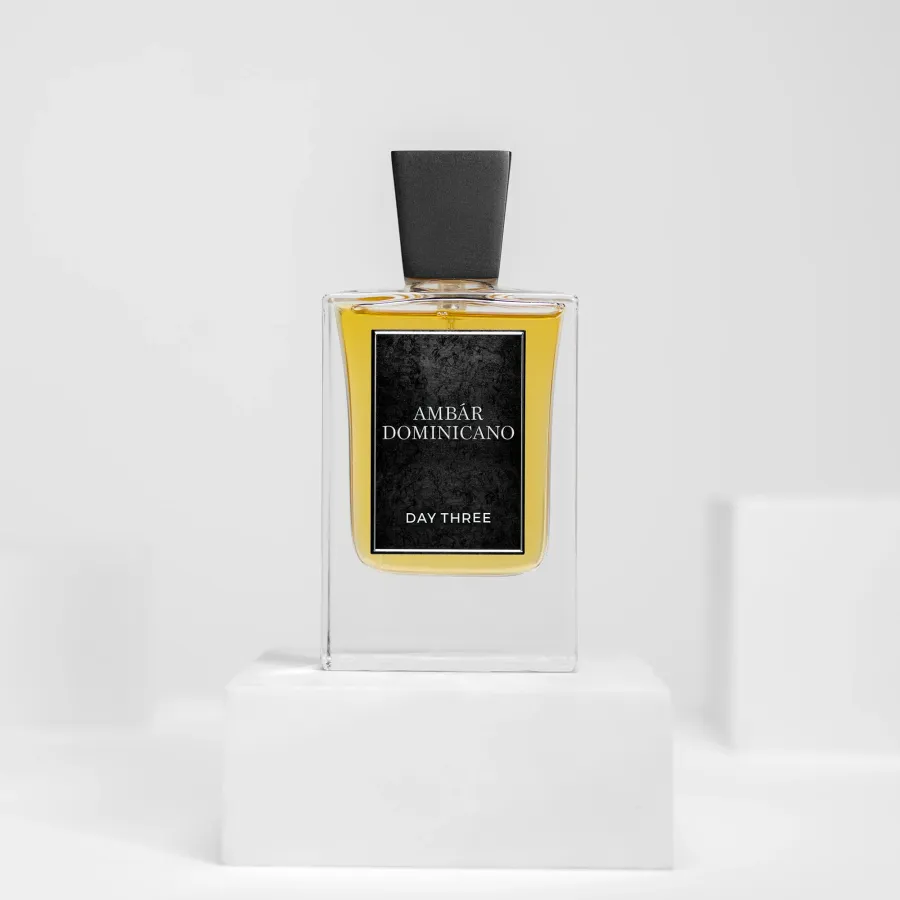
Ambar Dominicano is the other pole of the house: an extrait in the amber, spicy and gourmand families, its name the Spanish for Dominican amber. Cola, lime and lavender open it. The heart is honey, immortelle, davana, cinnamon, clove and anise, a combination that tends to read of maple, hay and dried fruit before the spices arrive. The base is vanilla, patchouli, amber and musk.
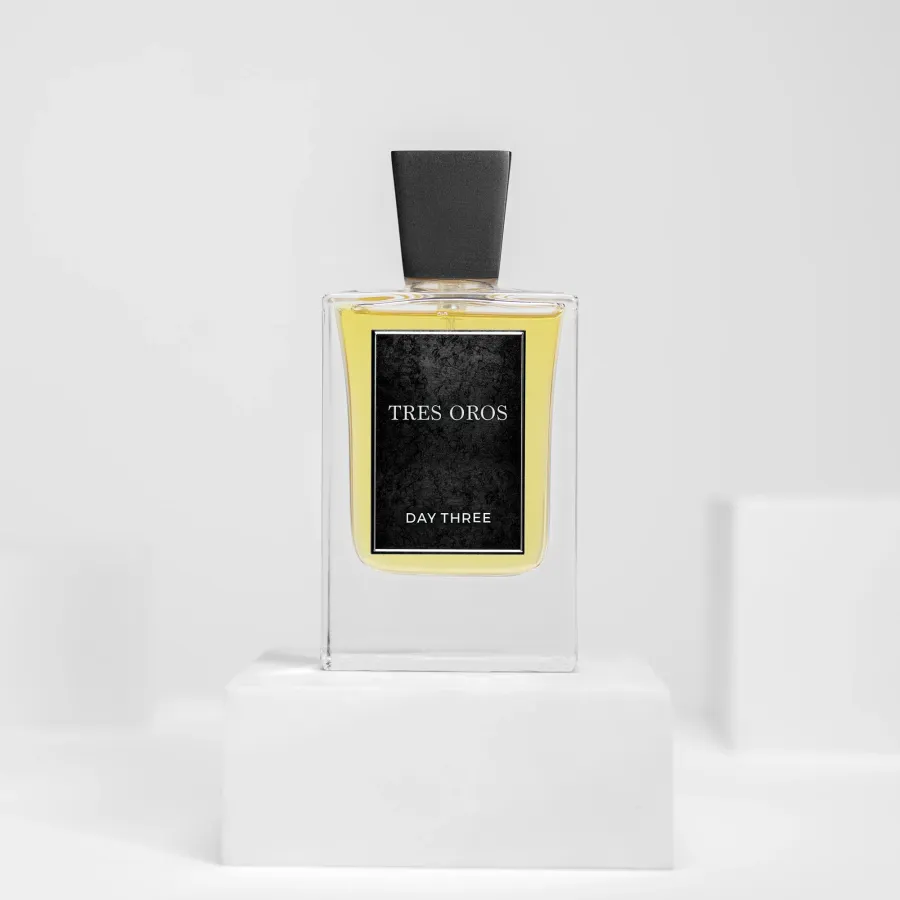
Those four materials are the most common company amber keeps in the library: across 533 fragrances carrying the note, musk, sandalwood, patchouli and vanilla are the usual neighbours. So the base of Ambar Dominicano is the conventional arrangement, and the interest sits above it, in the cola and the immortelle. The Spanish names cluster: Tres Oros puts mandarin and pineapple over maduros, plantain and cinnamon with honey, brown sugar and amber underneath, and Baní is a fruity white floral at eau de parfum strength.
Notes that name effects rather than materials
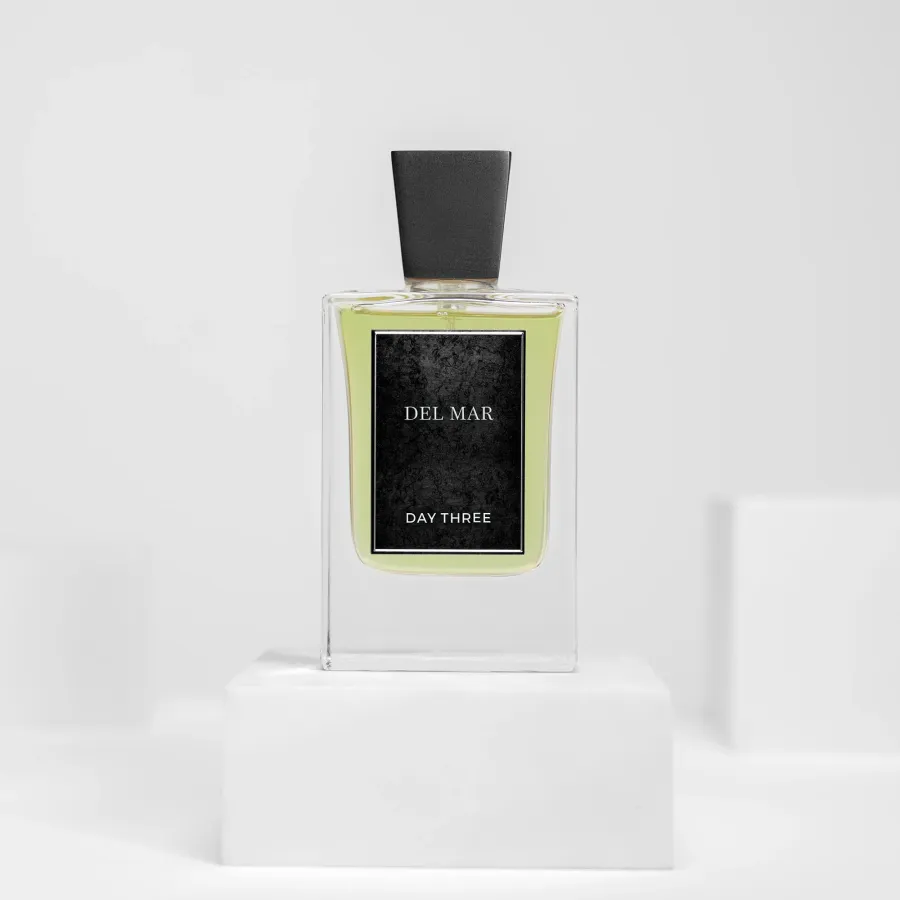
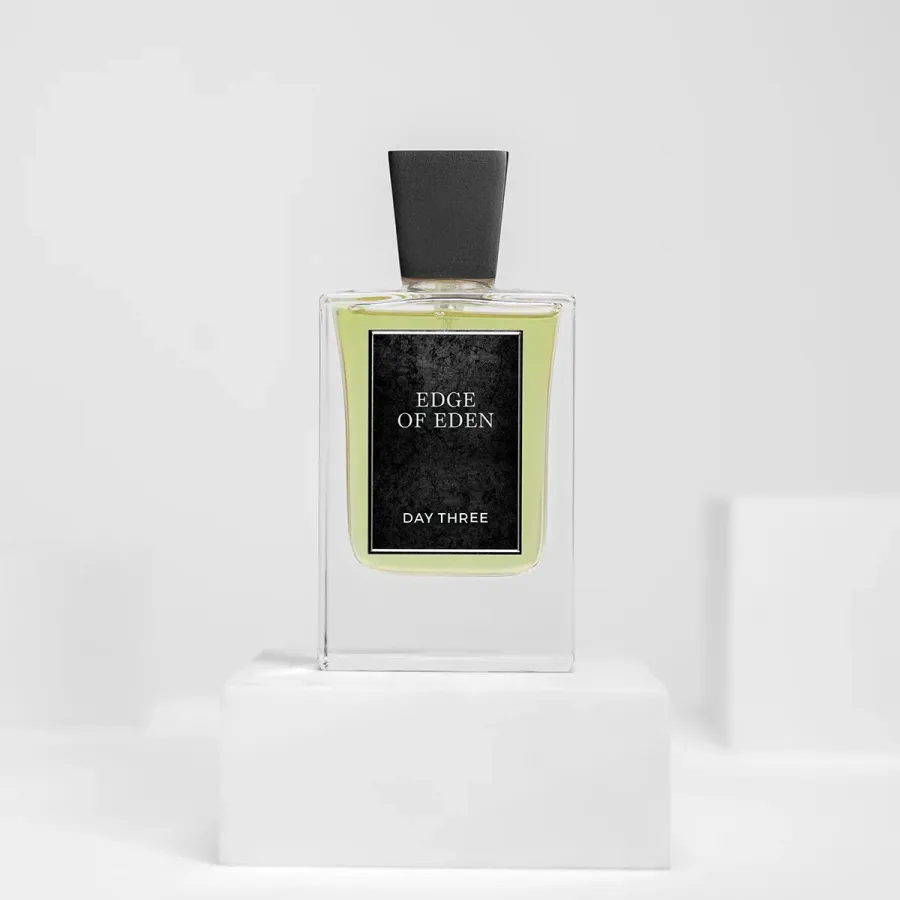
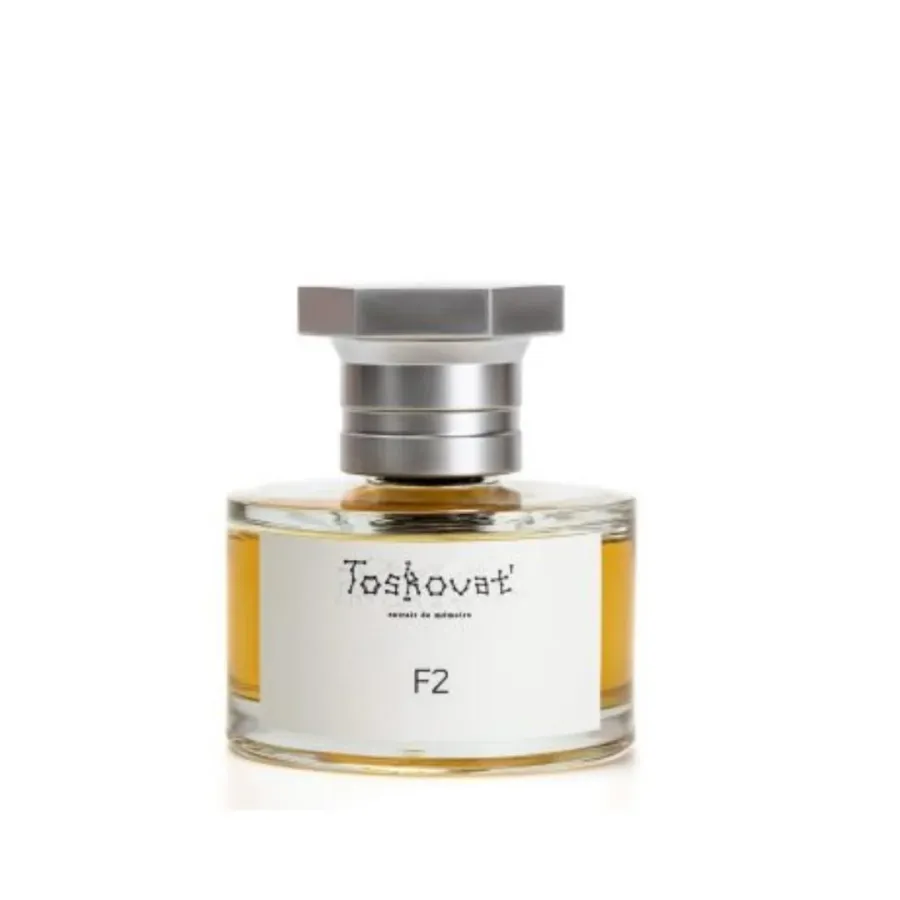
A habit shows up across the catalogue: the lists include things no supplier sells. Desert Rain has a note called Desert Rain. Del Mar lists Sand in the heart, under jasmine and coconut. Edge of Eden puts apple, peppermint and aldehydes over peony, honeysuckle, osmanthus and acacia, then bases the whole thing on metallic notes, wet stone and steam. Desert Fire has burnt wood. This is a maker describing the intended impression rather than the raw material, and it is a style choice rather than a quirk of this house alone: Toskovat' ends the note list for Hoary Date with Chess Board.
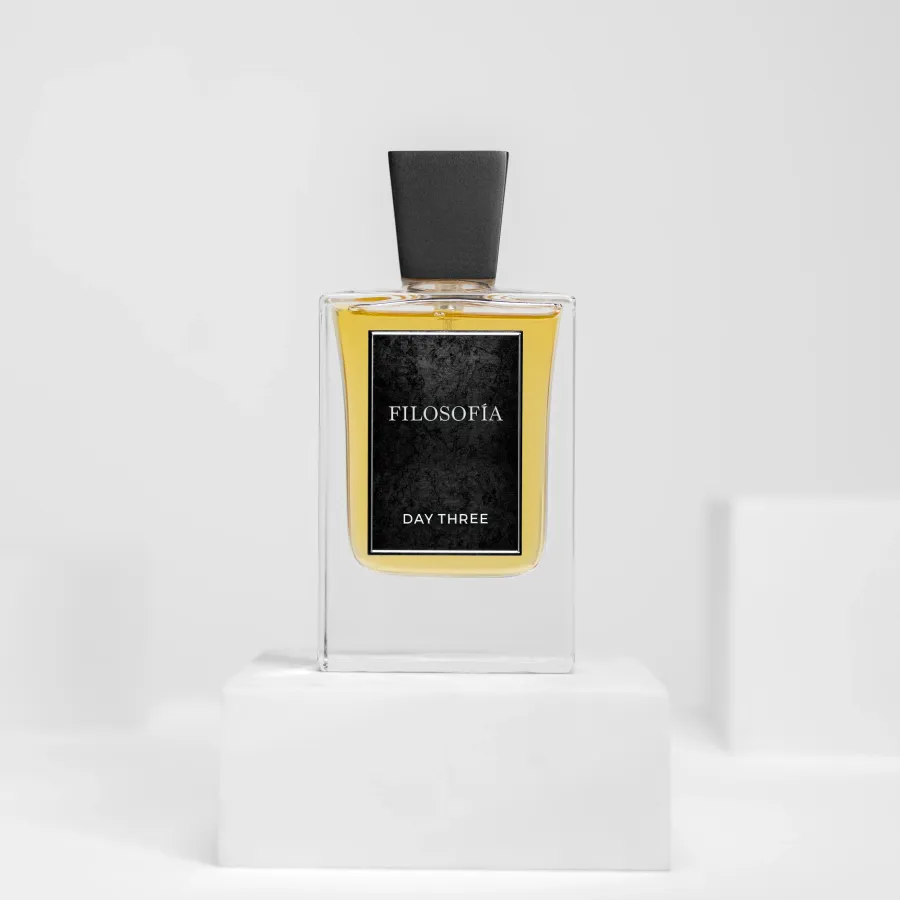
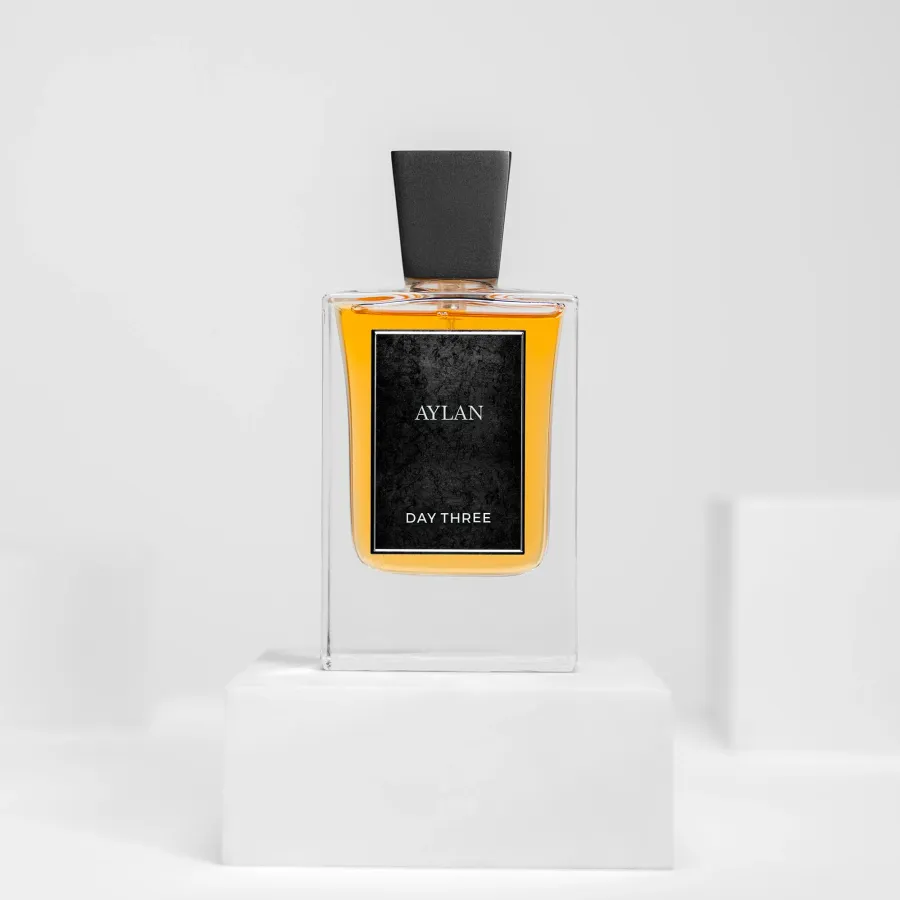
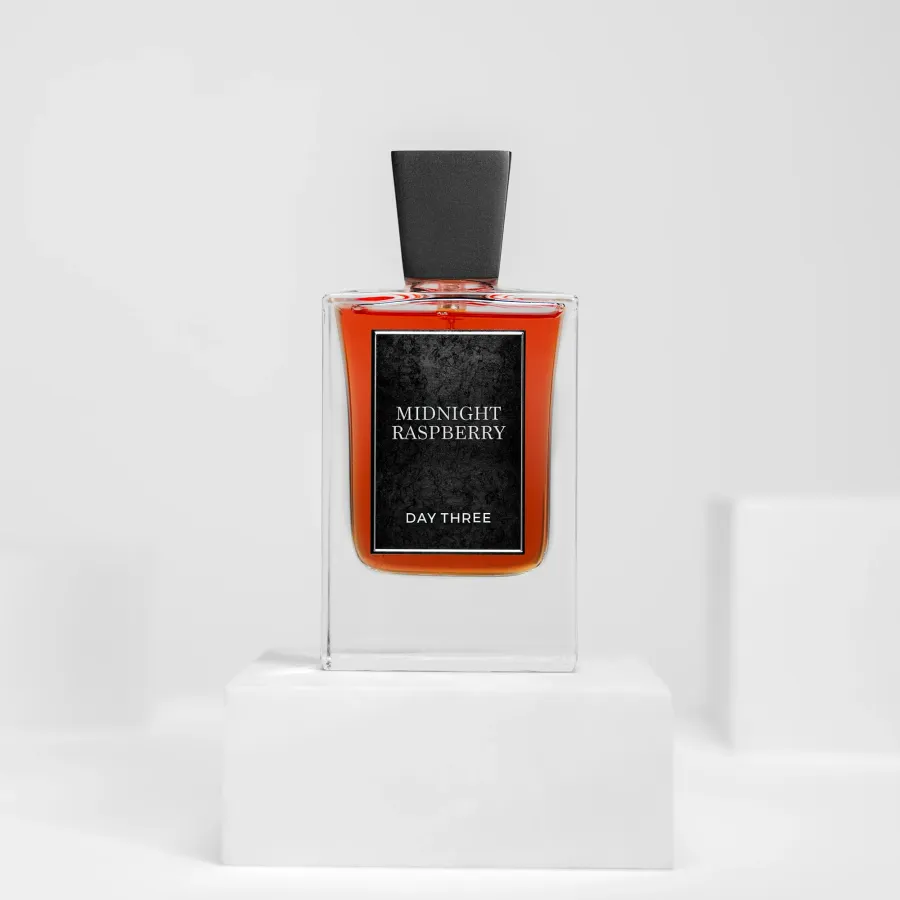
The rest of the range is less abstract and more conventionally rich. Filosofía runs cardamom, black pepper and bergamot into tonka, cashmere and tobacco leaf, then dark chocolate, hazelnut and musk. Aylan is Bulgarian rose and vanilla over oud, saffron and musk. Midnight Raspberry sets raspberry against Vietnamese agarwood, oud, saffron, cedar and ambergris.
Concentration tracks weight fairly closely. Of the eleven entries visible here, three are eau de parfum, and two of those, Del Mar and Baní, are the citrus and aquatic ones, with Desert Rain the smoky exception. Edge of Eden breaks the pattern from the other direction: an aldehydic floral with a wet-stone base, bottled as an extrait.
What it costs, next to the library's other smoke
The price ladder is flat and easy to learn: 10mL for $40, 50mL for $175, or the same 50mL for $160 without a box. Ten of the eleven entries use it. Midnight Raspberry is the single exception at $50 and $250, which is also the one carrying agarwood, oud and ambergris. Desert Fire adds the cheapest step in the house, a 1.5mL at $10.
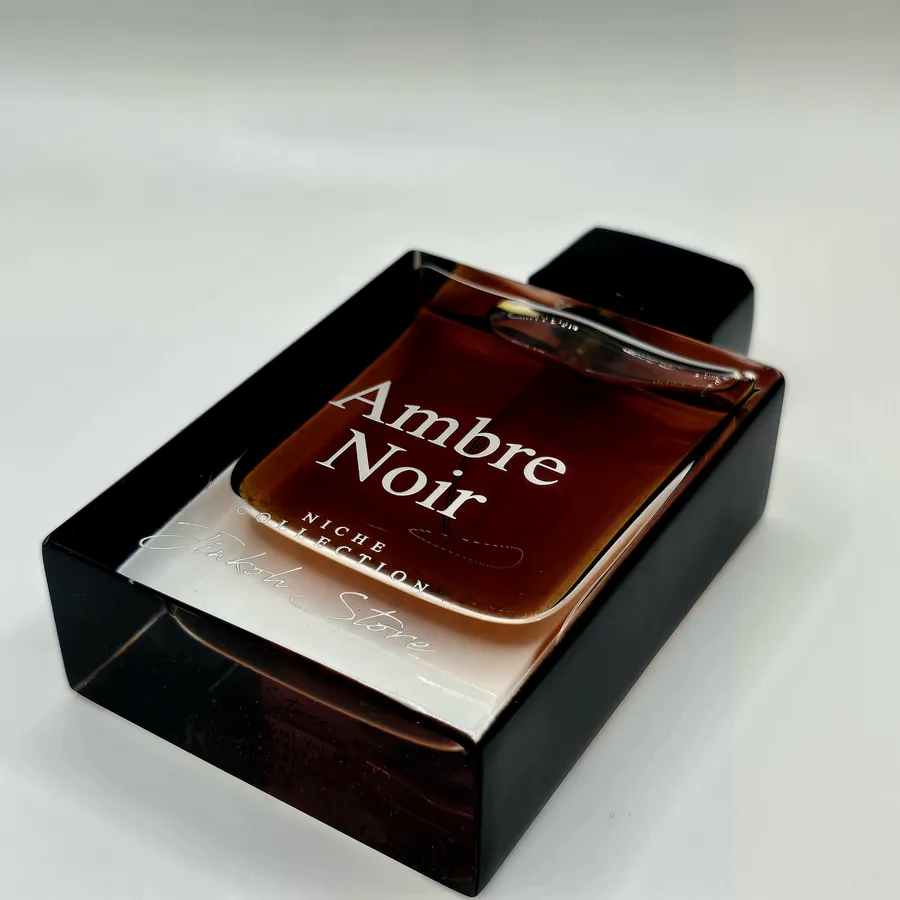
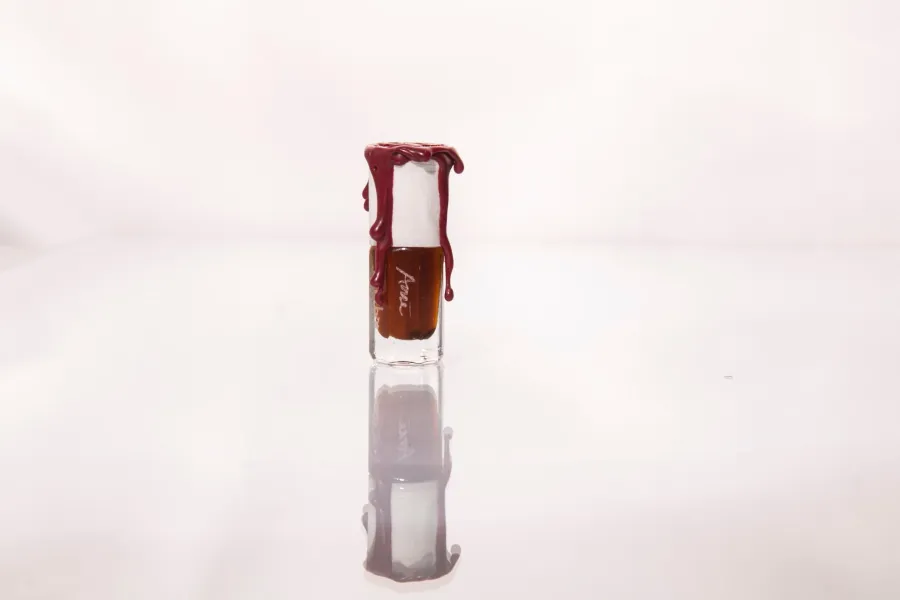
Set that against the other smoke and amber in the library and the position is clear. Jinkoh Store sells Ambre Noir, an extrait with a base list running to fourteen materials, at a flat $350. Hoary Date is $315 and currently out of stock. Sultan Pasha Attars prices the animalic, mossy Fougère Noire at $68.25 for 1ml and $614.24 for 12ml of oil. Day Three is the cheap seat for hand-made extrait in that company, and worth filtering against everything smoky under $60.
Where to start
- Desert Fire, extrait, 1.5mL for $10 or 10mL for $40: the cheapest way in, and the one to try first if burnt wood, leather and cypriol are the point.
- Desert Rain, eau de parfum, 10mL for $40: for frankincense and Mysore sandalwood with juniper, sage and green tea still in the air.
- Ambar Dominicano, extrait, 10mL for $40: for the sweet half of the house, honey and immortelle over a vanilla and patchouli amber, with cola and lime on top.