
d'Annam: rice, coffee and a place on the Art and Olfaction shortlist
The Vietnamese house reached the Independent category of the 12th Art and Olfaction Awards with ink and whisky, but its everyday catalogue is a breakfast menu.
Undernotes4 min readMaker profile
A Vietnamese perfume house reached the Independent shortlist at this year's Art and Olfaction Awards, and the two fragrances that took it there were about ink and whisky rather than agarwood. Back in the everyday catalogue, d'Annam sells breakfast.
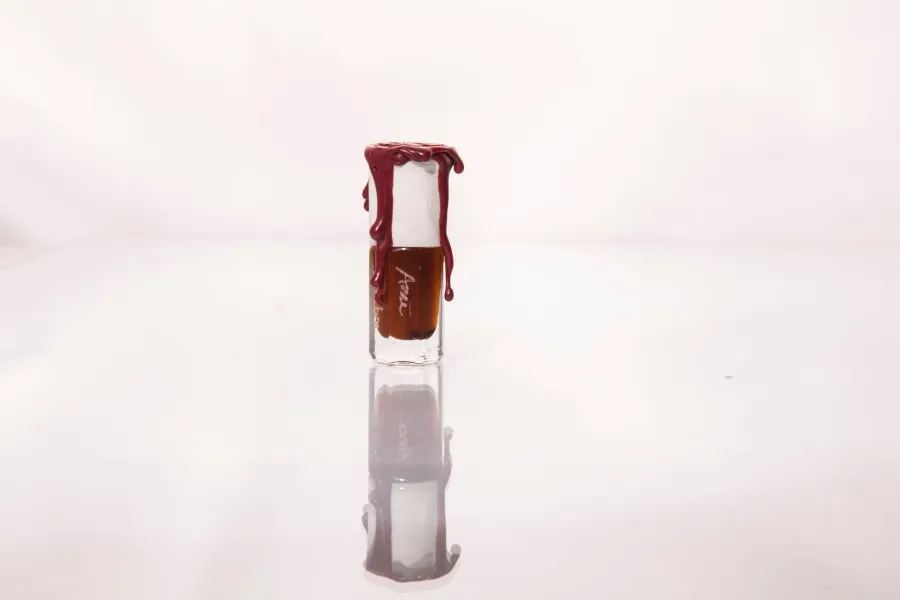
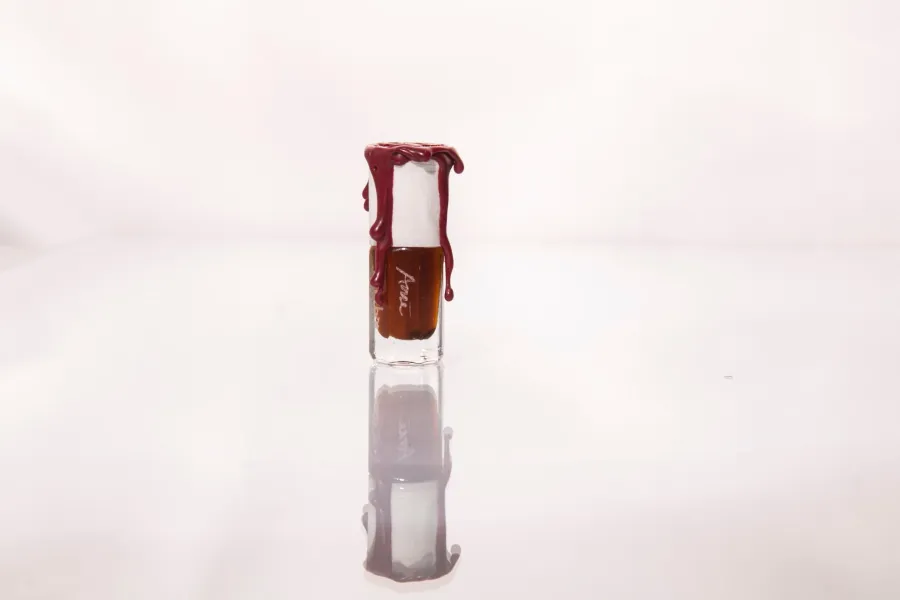
The house arrived in the library this month with 26 fragrances and a price range of $8 to $380. It describes itself, with no further biography attached, as "a fine fragrance house from Vietnam", and says it collaborates with local perfumers, illustrators and artisans on each collection.
What the shortlist actually said
At the 12th Art and Olfaction Awards, d'Annam's Chinese Calligraphy and Japanese Whiskey were listed among the Independent category finalists, with Anh Ngo credited as perfumer and Nick Hoang as creative director. Winners were announced on 11 June 2026 at the Gazarte cultural centre in Athens. The Independent award went elsewhere: to Nuit Élastique from Première Peau and Ici, le pas s'arrête from TERRA•T, with the People's Choice vote in the same category going to Verdant from Ilé Olomu.
Finalist rather than winner is the ordinary outcome, and it is still the most useful single fact available about a house most readers have not heard of. A judged shortlist is a filter; a brand's own copy is not. What it does not tell you is what the house does the rest of the year.
The catalogue reads like a menu
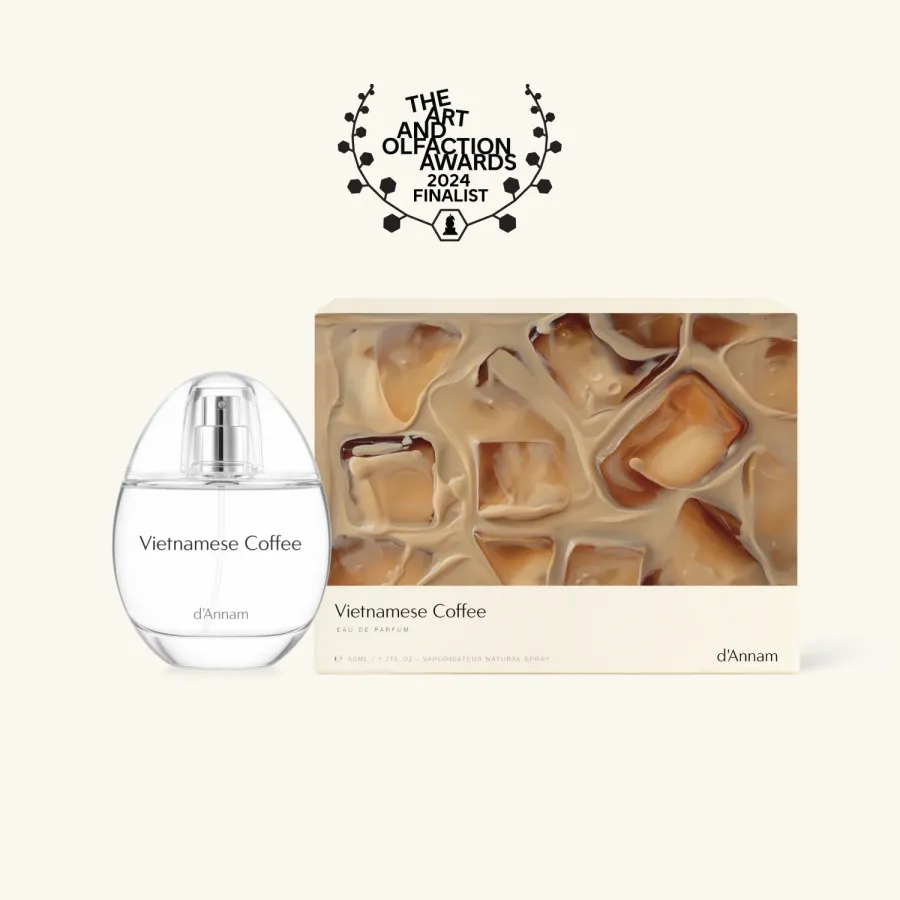
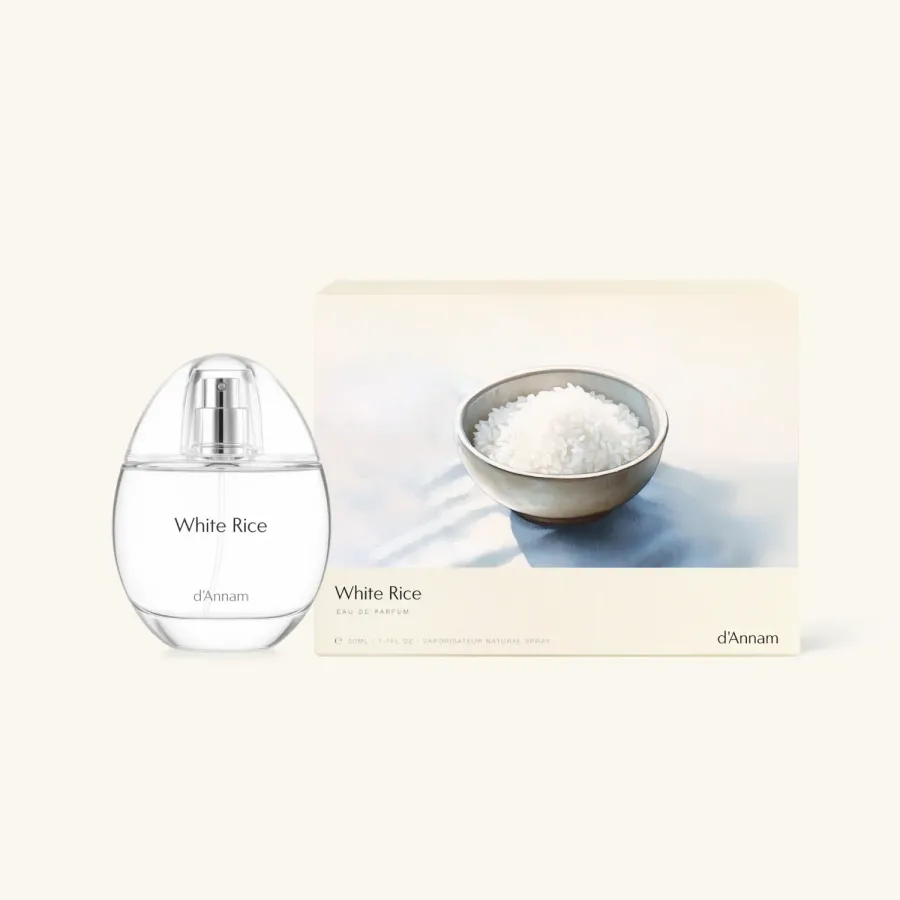
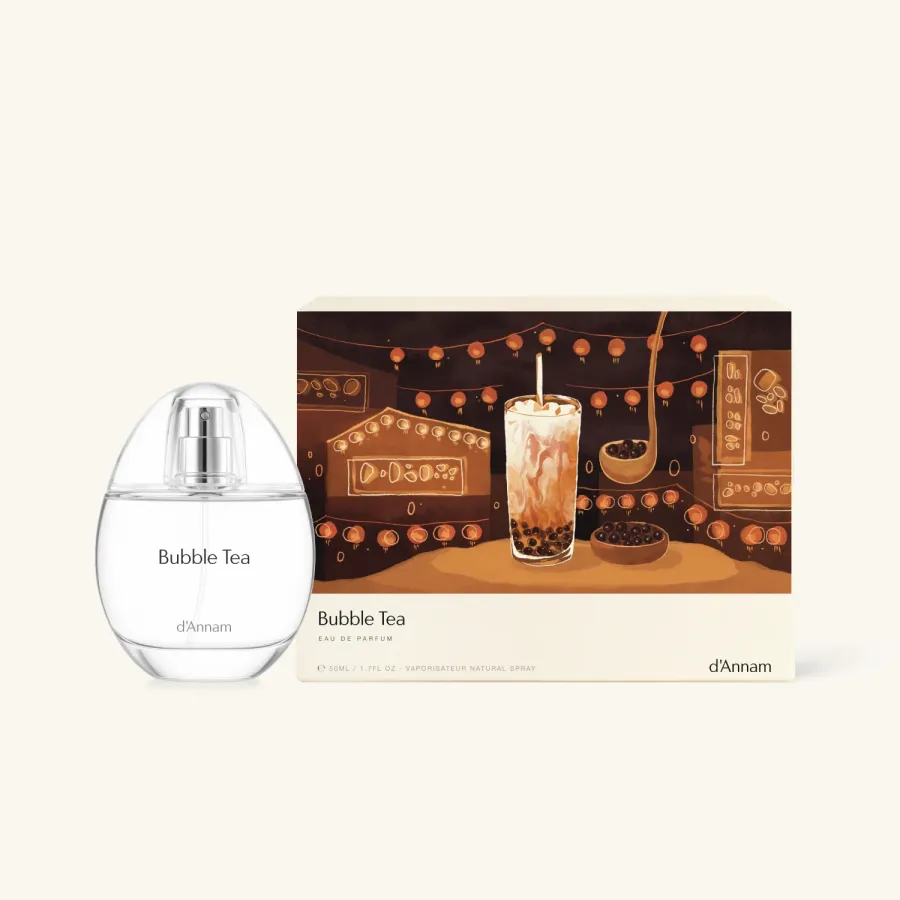
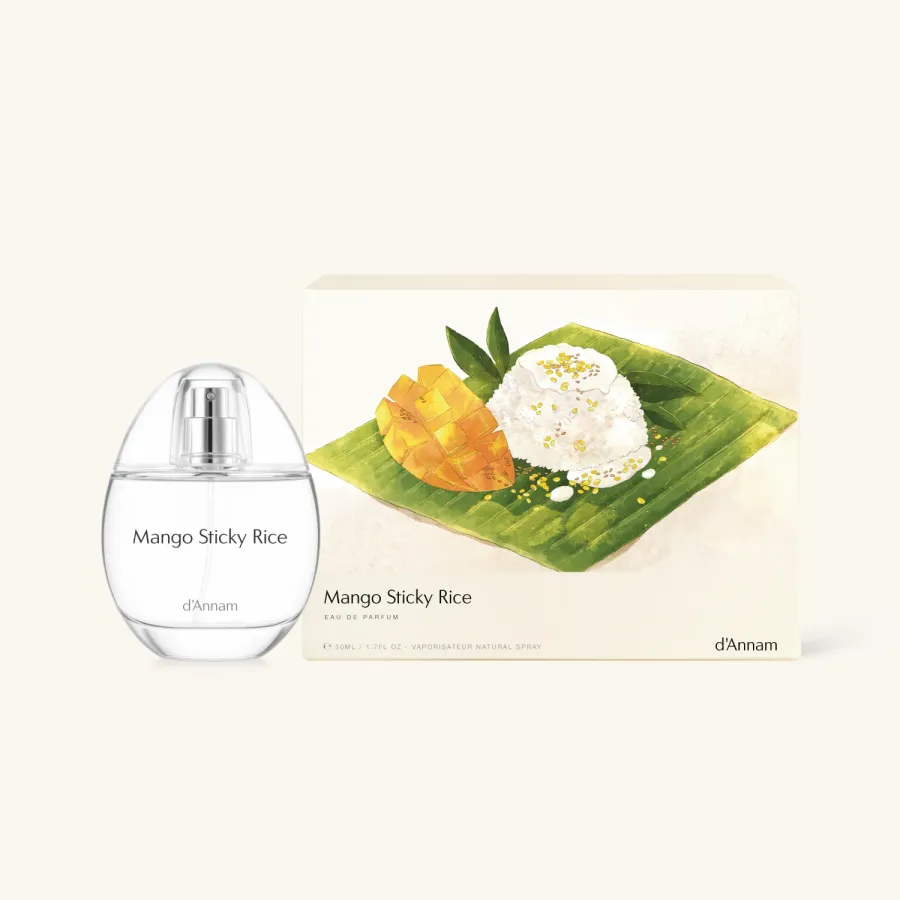
Nine of the ten d'Annam fragrances detailed in the library publish their notes, and the subjects are nearly all food or place. White Rice is pandan, jasmine, white musk, iris and woody tones, filed as musky, gourmand and powdery: rice as a soft, starchy, slightly green idea rather than a dessert. Vietnamese Coffee is coffee, condensed milk, amber and tonka bean, which is very nearly the recipe for the drink itself with two base notes added to hold it up. Bubble Tea lists roasted black tea, rich brown sugar, milk and chewy boba. Mango Sticky Rice lists mango, tender sticky rice and coconut.
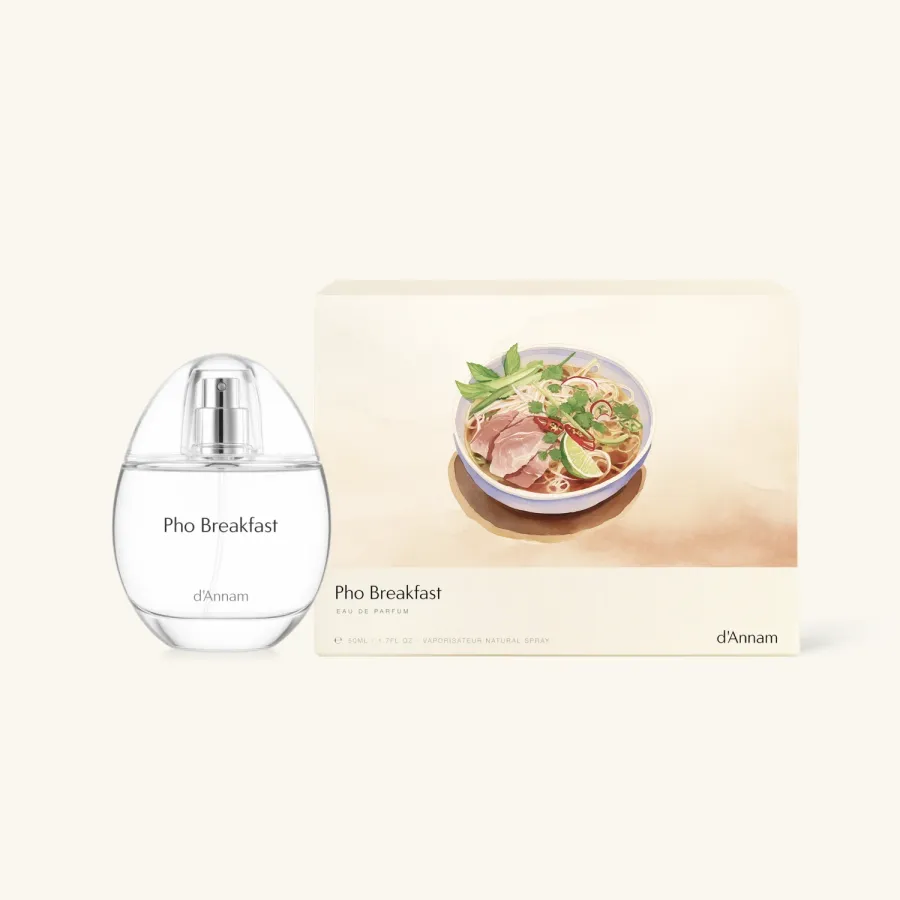
Then there is Pho Breakfast, which is the one that tells you the house means it. The maker gives basil and cilantro as top notes and patchouli as the only other listed material. No broth accord, no star anise, no beef. Just the herbs that go in at the table and an earthy base underneath, classified herbal, spicy and gourmand. It is a considerably stranger proposition than its name suggests, and closer to a green fougère than to a food novelty.
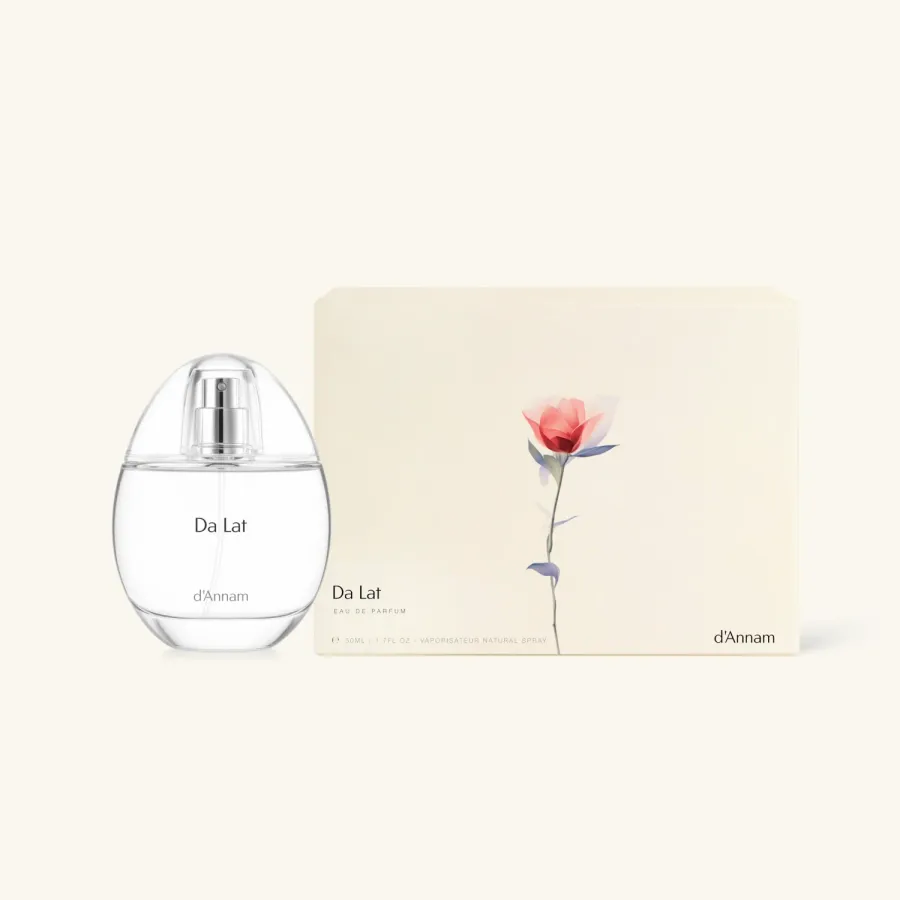
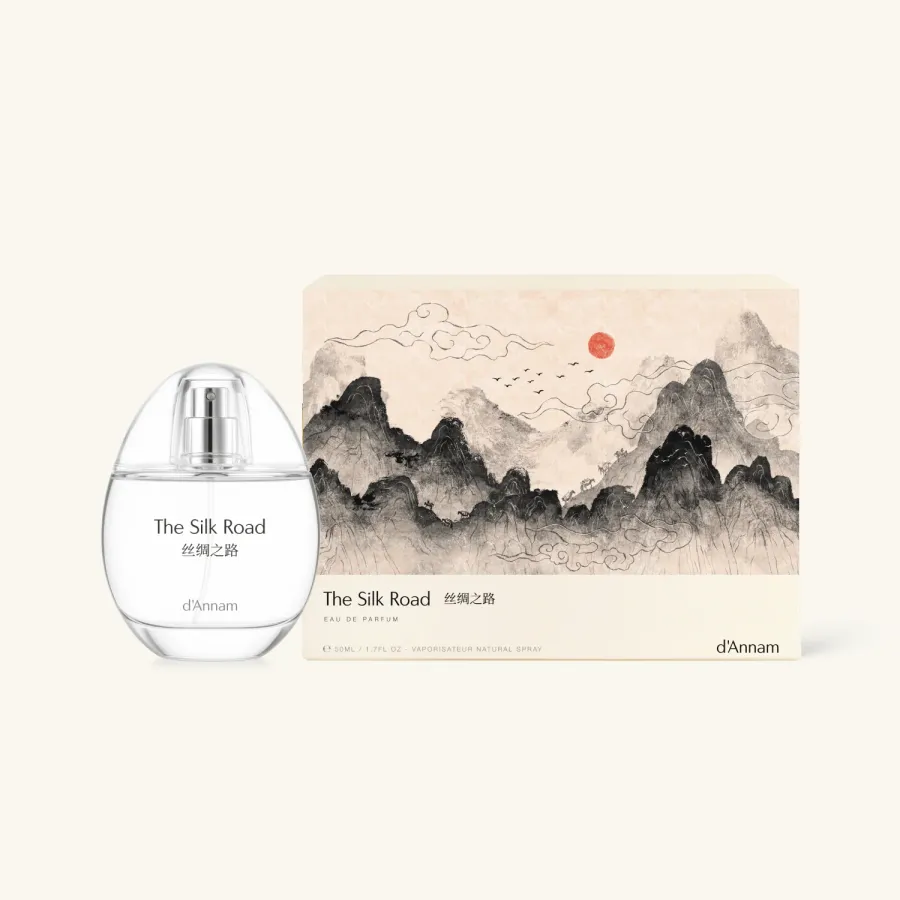
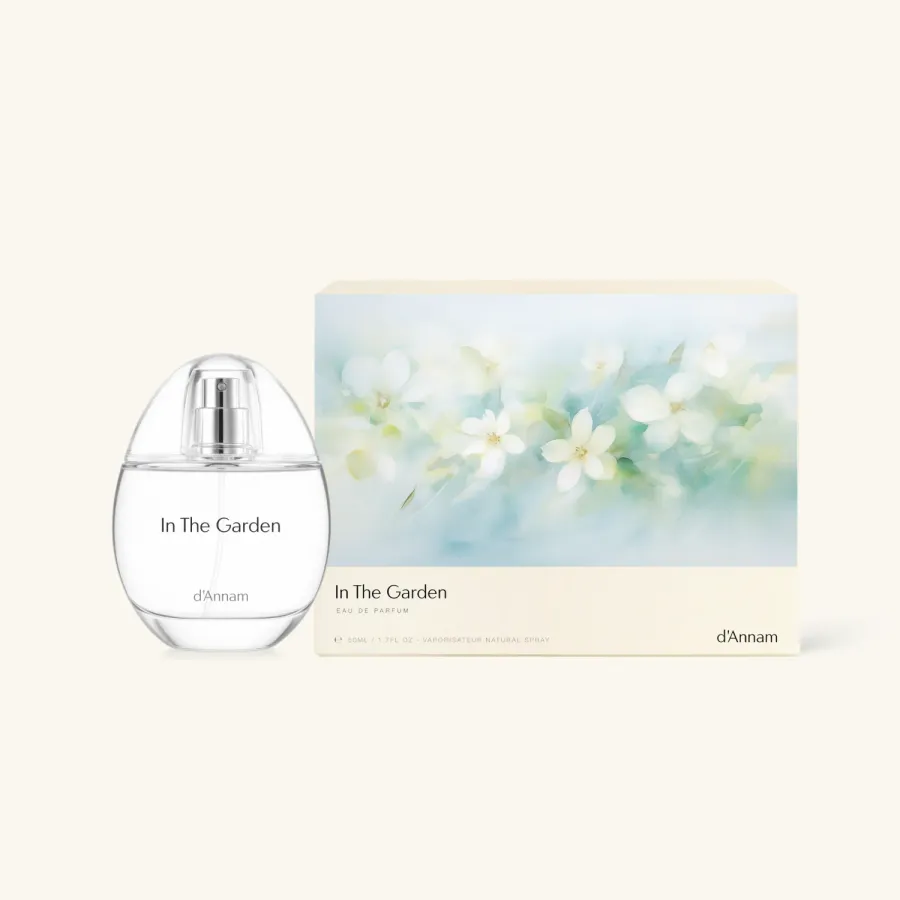
The place-named entries work the same way. Da Lat is rose, pine and red wine, three notes for a hill station. The Silk Road takes the spicy, boozy, animalic route with spices, tobacco leaf and leather, though it is currently out of stock, as is the white-floral In The Garden.
Against the oud expectation
Readers who meet a Southeast Asian house for the first time often arrive braced for agarwood, and the library has plenty of places to satisfy that. Sultan Pasha Attars is the obvious one: Shamamah lists smoky Cambodian oud and Hindi oud alongside Persian rose otto, saffron, hyraceum, beeswax and honey, sold as an attar from $121.29 for 1ml to $1033.76 for 12ml. That is a different craft with a different economics, built on raw material scarcity.
d'Annam does none of that, at least not in the ten fragrances catalogued here, where oud does not appear once. The concentration, where it is specified, is eau de parfum, and the standard bottle is $160 across the board. The house is not trading on a rare ingredient. It is trading on a subject, which is a harder thing to sell and a more interesting thing to smell.
Four notes, not forty
The other quiet decision here is brevity. Vietnamese Coffee is four notes. Mango Sticky Rice is three. Da Lat is three.
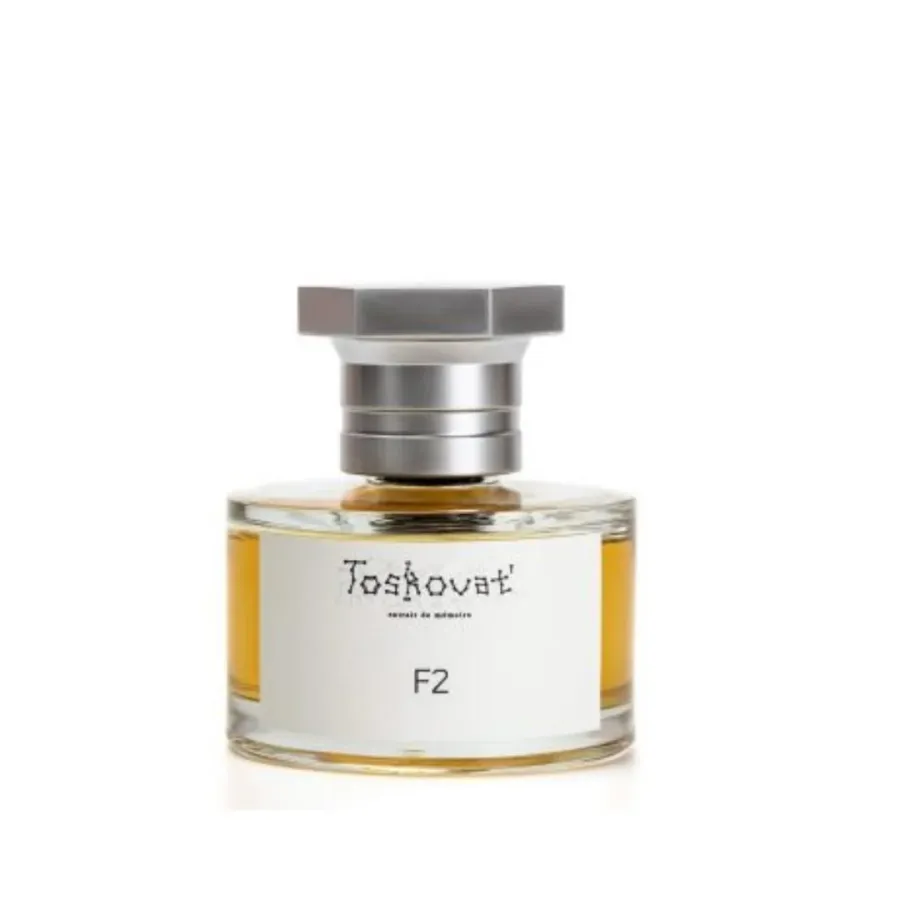
Compare that with how much of the artisan scene presents itself. Toskovat', the Romanian house founded by David-Lev Jipa-Slivinschi in 2022, publishes 29 notes for Hoary Date, running from aldehydes through turmeric and wisteria to civet, vanilla and a note listed as chess board. Sultan Pasha's Fougère Noire also lists 29, properly pyramided, with coffee sitting in the top alongside seaweed and clary sage.
Neither approach is better. But a four-note list is a claim about legibility: the house is betting you will recognise the thing on first contact. It also means the base does visible work. In Vietnamese Coffee, amber and tonka are the entire structure holding up two gourmand notes, which is why it files as gourmand, amber and woody rather than as a flat sweet.
One more small thing worth noticing: none of those nine published note lists includes vanilla. For a catalogue this gourmand, that is an unusual piece of discipline. The sweetness comes from brown sugar, condensed milk, coconut and sticky rice instead, materials with texture rather than the default sweetener.
Where to start
- Vietnamese Coffee, $160. The house thesis in one bottle, and the one to try if the question is whether a four-note food perfume can hold together as a wearable eau de parfum. For anyone who wants their gourmand bitter at the top.
- Bubble Tea, $8 for 2ml or $160 for 50ml. The cheapest way into the house, and the sample size makes it the sensible first order. For tea drinkers and for anyone sceptical that milk and boba can be made to smell like anything but a candle.
- White Rice, $160. Pandan, jasmine, iris and white musk: the quietest thing here and the most office-viable. For readers who want the September reset bottle, worn indoors all day, without a gourmand announcing itself.