What 'ambergris' means on an attar's ingredient list
Whale-derived material runs past $100,000 a kilogram and cannot legally be traded in the US; the synthetic that replaced it costs a few hundred.
Undernotes4 min readNote deep dive
Ambergris appears on more than 160 fragrances in this library, and the count is lopsided: Sultan Pasha Attars alone lists it on 36 of them. It is also the note most likely to mean two different things depending on who wrote the list: whale-derived material that cannot legally be traded in the United States, or a synthetic first made in Geneva in 1950 that costs a few hundred dollars a kilo.
The real material, and its price
Ambergris forms in sperm whales. Squid beaks the animal cannot digest accumulate in the gut, bind with faecal matter and harden into a mass that is expelled and then floats, sometimes for years, before washing ashore. Whale and Dolphin Conservation puts the incidence at fewer than 5% of sperm whales. The floating is the point: fresh material is dark and tarry, while years of sun and salt turn it pale, waxy and sweet.
Price follows that curing almost exactly. Premiere Peau's survey of raw-material costs gives dark, fresh ambergris at $20,000 to $35,000 per kilogram, and white ambergris aged in open ocean at $50,000 to more than $100,000 per kilogram.
Legality follows geography. In the United States the Marine Mammal Protection Act prohibits possession and trade, and sperm whales are separately protected under the Endangered Species Act; Australia and India have comparable bans. In the UK and the rest of the EU it is currently legal to salvage a lump from a beach and sell it, because CITES treats ambergris as an excretion rather than a whale product.
Ambroxan, the 1950 workaround
The substitute has a precise history. Leopold Ruzicka isolated ambrein, ambergris's precursor molecule, in 1946. By 1950 chemists at Firmenich in Geneva had a route to ambroxide, starting not from whales but from sclareol, a compound extracted from clary sage. Confirmation came late: chromatographic work by IFF chemists in 1977 established that ambrox is what the characteristic smell of aged ambergris actually is.
That molecule now costs $350 to $590 per kilogram. Its trade names differ slightly in character, with Ambroxan read as drier and more woody and Cetalox as creamier and closer to musk. So when a note list says ambergris, it very often means this family. That is not deception; it is the trade's ordinary shorthand for an olfactory effect rather than a source.
Three houses, three ways of handling it
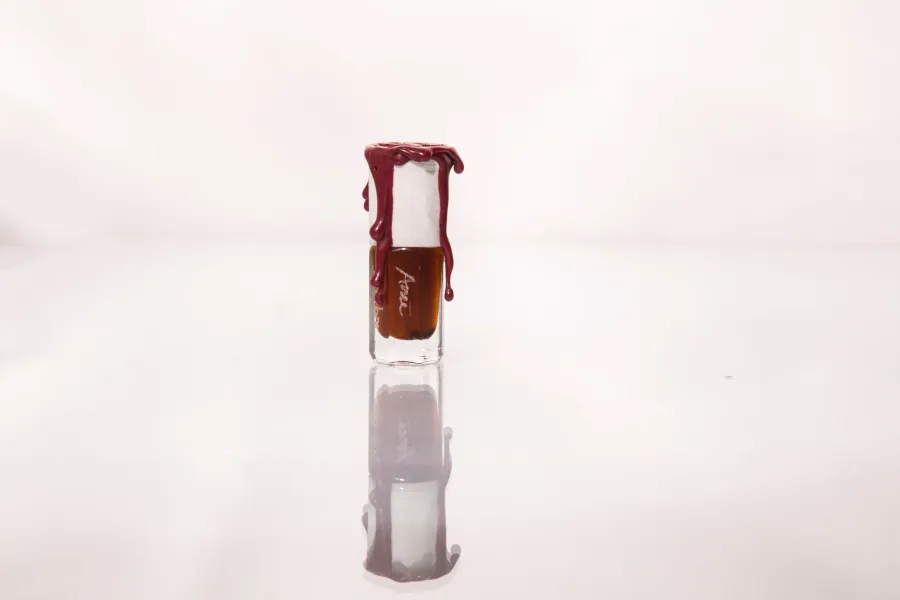
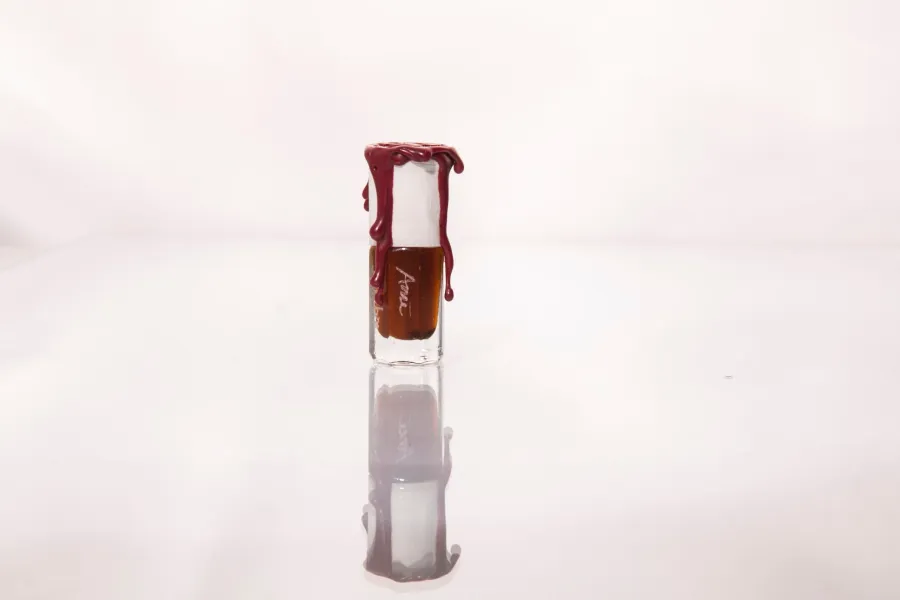
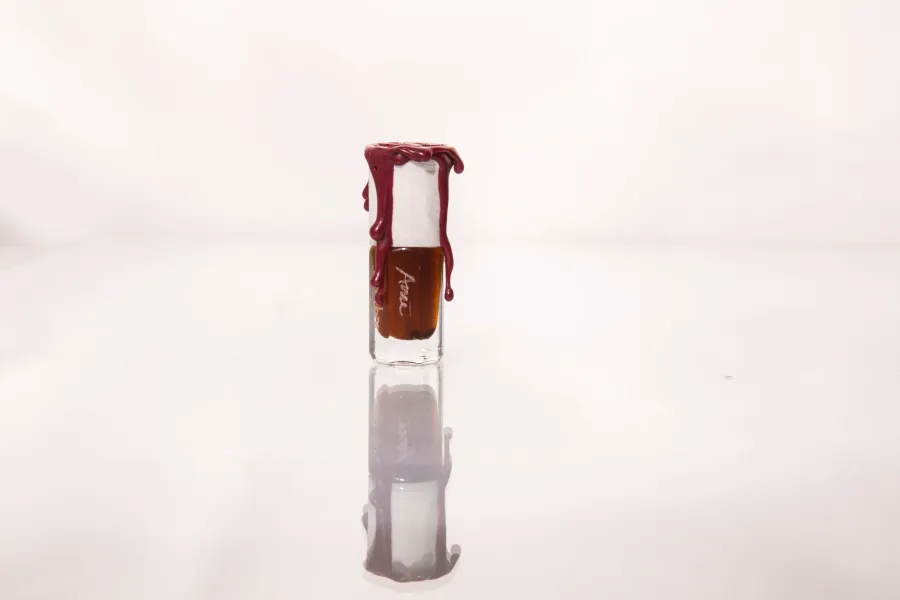
Sultan Pasha Attars works in the UK, where the material is legally salvageable, and is described in our library as building from natural absolutes and essential oils with minimal synthetics. The most useful evidence is on the label itself: the base of Dewaniya lists Ambergris and Artificial Amber as separate entries, alongside civet, castoreum and hyraceum. A maker who splits those two out is telling you which is which. The pricing is consistent with the claim: Dewaniya is $121.36 for 1ml, and Dewaniya Cœur is $186.18 for the same volume.
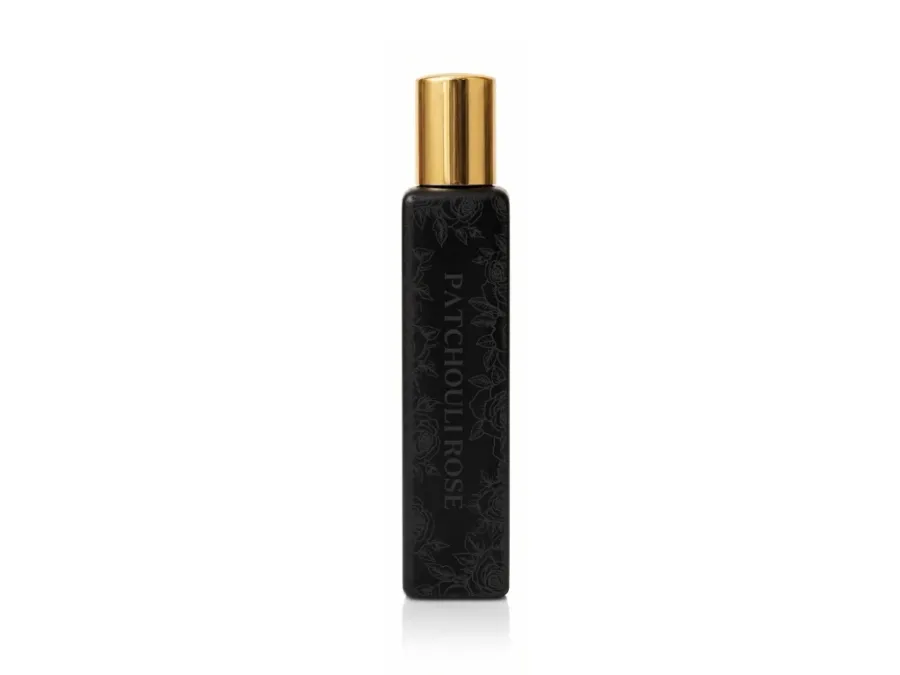
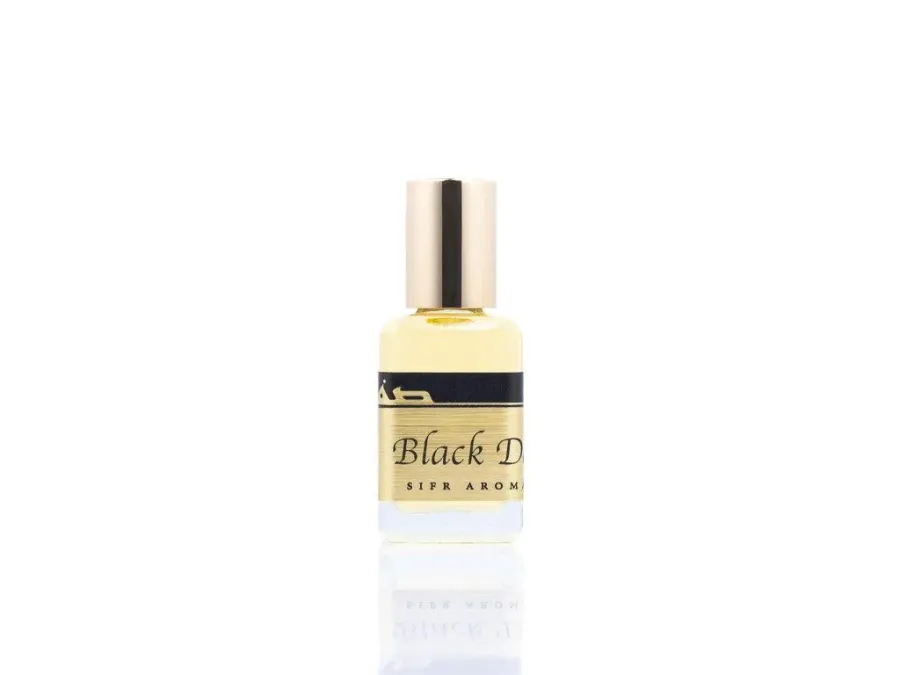
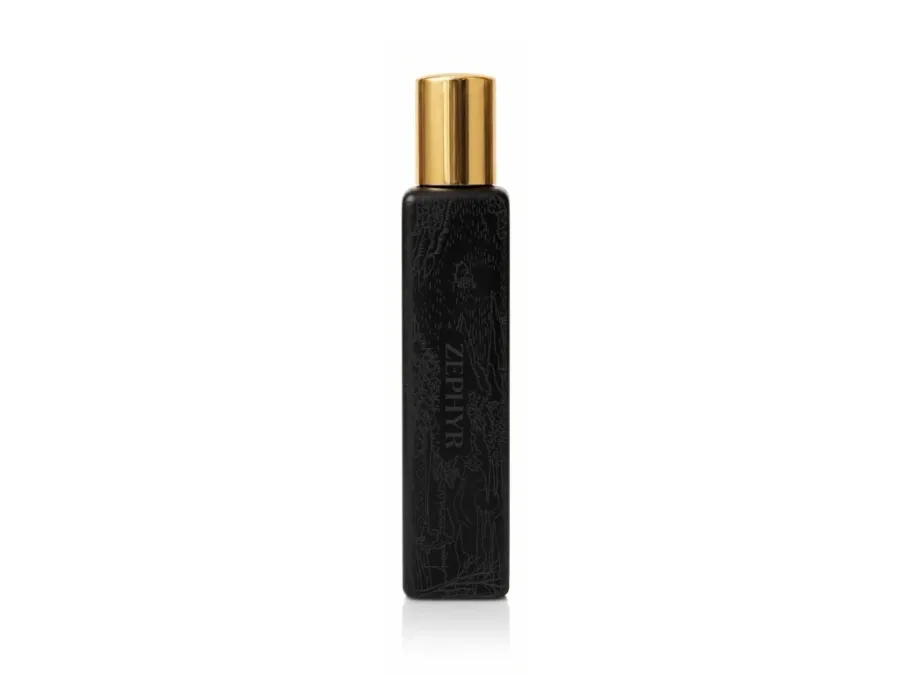
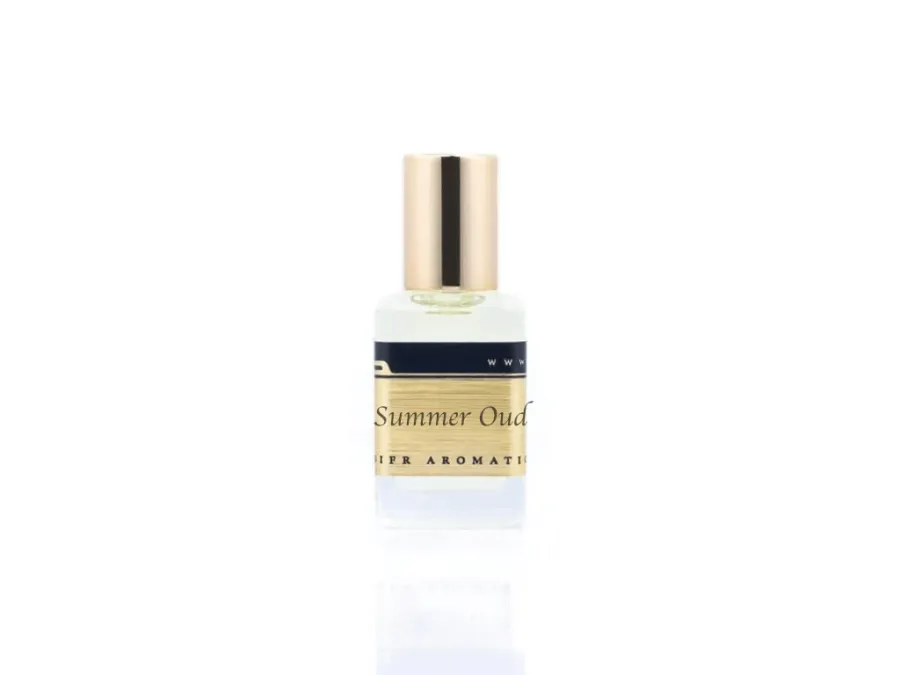
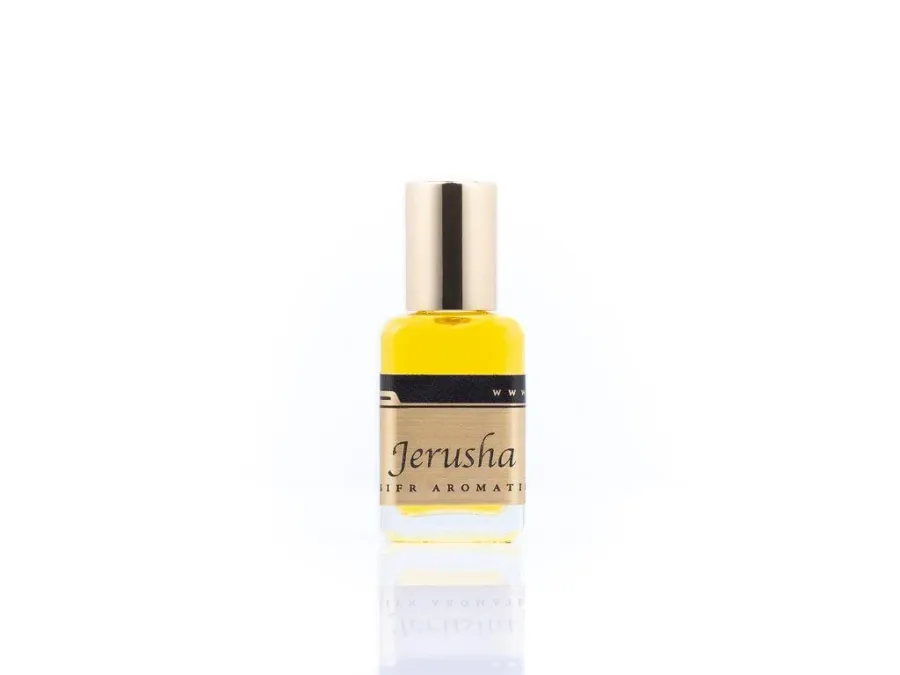
Sifr Aromatics, founded in 2010 by Johari Kazura in a heritage shophouse on Arab Street in Singapore, uses the word differently. Ambergris appears in the base of Patchouli Rose, Black Desert and Zephyr, each time with musk and a woody anchor: sandalwood in the first two, cedar in Zephyr. Musk and sandalwood are exactly the two notes our ambergris page sees beside it most often across more than 160 fragrances. At 55 to 220 SGD for oils drawn from a wardrobe of, in the house's own words, "more than 200 different small-batch aromatic oils", the arithmetic points to the ambroxan family. Worth noting that the house does distinguish: Summer Oud lists Amber, not ambergris, and Jerusha does the same.
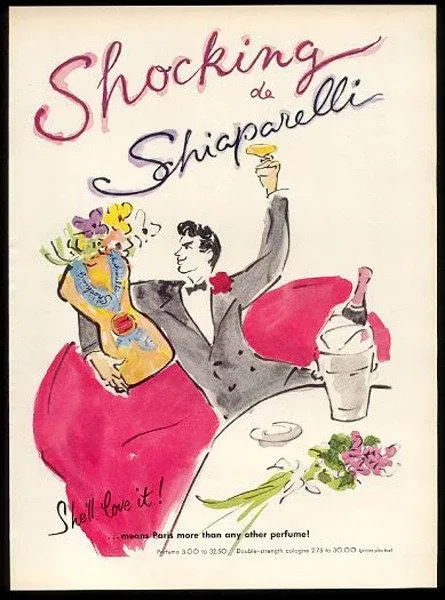
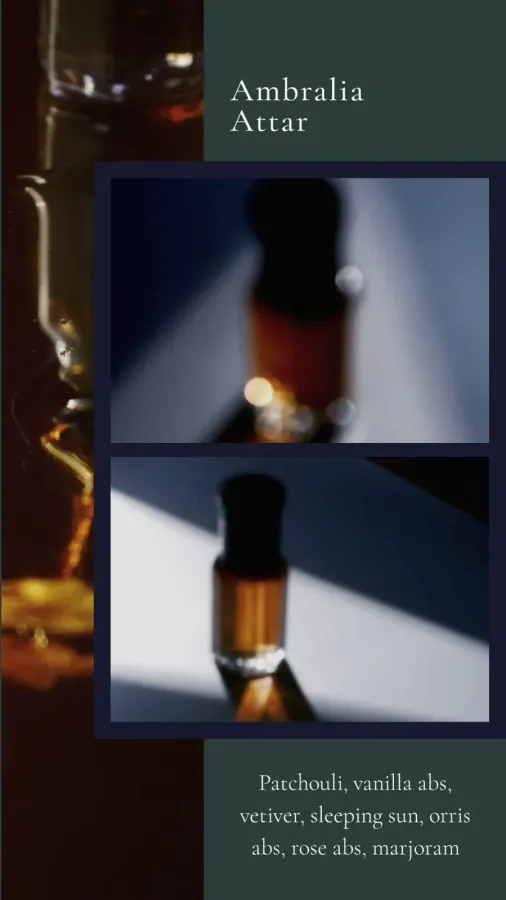
Rising Phoenix Perfumery, in Atlanta, is the interesting negative case. Not one of its fragrances in the library lists ambergris at all, which is what US law makes inevitable whatever a perfumer's preference. What it lists instead is animalic material from other sources: Shocking 1937 puts civet, musk and amber in the base, and Kama uses civet and hyraceum with Cambodi Pursat oud. Ambralia 2020 builds its amber effect from myrrh, opoponax, vanilla, iris butter and clary sage, the same plant sclareol is drawn from.
How to read the word
- Price per gram is the strongest tell. Real tincture cannot appear in a 60ml oil sold for the price of a restaurant meal.
- Country matters. UK and EU houses can legally hold beachcast material; US, Australian and Indian houses cannot.
- "Amber" is not ambergris. It is a constructed accord, usually labdanum, benzoin and vanillic materials, and the amber note page is a separate list for that reason.
- It rarely stands alone. Ambergris in this library sits beside musk, sandalwood, patchouli, vetiver, labdanum and jasmine more than anything else, because its job is to blur the seams between them.
Where to start
- Zephyr, 55 SGD for 15ml of perfume oil. Peppermint and bergamot over rose maroc, with cedar, musk and ambergris underneath. The cheapest straightforward way to learn what the ambroxan effect does in a base, and light enough for early autumn indoors.
- Chypre Chrysantheme, $68.95 for 1ml. Citrus and chrysanthemum over oakmoss, beeswax, seaweed, civet and ambergris. For anyone who wants to meet the material in a house that keeps synthetics to a minimum, without committing $620.59 to the 12ml.
- Ambralia 2020, $45 to $350 across sizes. An amber built entirely without ambergris, from opoponax, myrrh, iris butter and Mysore sandalwood. For readers who want to hear the argument from the other side.