
IFRA's 52nd Amendment has slipped to January: what to watch
The final package is smaller than the draft put out for consultation, and the compliance clock does not start until the notification lands.
Undernotes5 min readDispatch
IFRA's 52nd Amendment to the IFRA Standards was, until lately, expected to be formally notified before the end of 2026. It will not be. The association's end-of-consultation letter, published on 31 August 2026, puts formal notification in January 2027, probably in the second or third week, and as of IFRA's news page on 9 November 2026 nothing further had appeared. IFRA's annual report page still carries the older line, "formal notification of the 52nd Amendment expected by the end of the year", which is how the November date got into circulation.
The slip is worth knowing now rather than in January, because the clock that matters starts at notification. According to the same letter, the Standards enter into force 11 months after the notification date for new creations and 30 months after it for existing creations, a preparatory phase two months longer than the 51st Amendment allowed. IFRA notified the 51st on 30 June 2023. Move the start by two months and every date downstream of it moves too.
An amendment is an industry standard, not a statute
This is the part most often garbled. IFRA's guidance on using the Standards calls them "a voluntary, globally accepted and recognized risk management system", and says compliance is mandatory for IFRA members, which that page puts at roughly 80% of global fragrance production by volume. Non-members are not bound. Anyone familiar with the Code can issue a Certificate of Conformity, which IFRA describes as not mandatory. Compliance also does not exempt a company from national or regional law: IFRA's own example is BMHCA, better known as Lilial, prohibited in EU cosmetics while still permitted in some other markets under local rules.
So a one-person studio in Columbus or Cincinnati is usually not a party to any of this. The Standards reach it through supply instead. The aroma chemicals and compounded accords it buys come from companies for which compliance is mandatory, so a restriction tends to arrive as a reformulated supplier base or a material quietly going out of stock, rather than as a notice addressed to the house.
Law runs on a separate track, and oakmoss is the textbook case. Commission Regulation (EU) 2017/1410 added atranol and chloroatranol, named in its recitals as natural components of oakmoss (Evernia prunastri) and treemoss (Evernia furfuracea) extracts, to the prohibited list in EU cosmetics legislation. Products containing them could not be placed on the Union market from 23 August 2019, nor made available on it from 23 August 2021. That is a ban, in one jurisdiction, with nothing to do with any amendment number. It also means oakmoss on a notes list is a question about which extract, not only about which lichen.
What is actually in the 52nd package
IFRA's end-of-consultation letter describes the final shape as follows:
- 48 new restriction Standards addressing potential dermal sensitisation, 37 of which also carry a systemic toxicity evaluation
- 15 existing restriction Standards revised to reflect updated RIFM safety assessments
- a revised Standard for musk ketone, and a new specification requirement for acetylated vetiver oil
- three revised phototoxicity Standards, with category 10B products such as reed diffusers brought into line with rinse-off limits
- the furocoumarin Standard renamed "Furocoumarins in Natural Complex Substances", setting 1 ppm for skin-contact products intended for deliberate sun exposure and 5 ppm for other leave-on products, and withdrawing eight individual natural complex substance Standards
Two proposed Standards, for Oxacyclohexadecen-2-one and Dihydrofarnesal, were withdrawn after a review of new data, and the proposed isoamyl salicylate Standard was postponed to a later amendment. The draft opened for consultation in December 2025 had proposed 51 new restriction Standards and revised 18, so the final count has come down in both columns.
What is not yet public is the list of materials, with the category limits attached to each. IFRA publishes those Standards one document per material at notification. Anyone reading a secondhand list of "banned ingredients for 2026" before then is reading a guess. The furocoumarin change is the one with the broadest reach for naturals, because it is written about natural complex substances rather than single aroma chemicals, and the notification will say which eight Standards it absorbs.
Where reformulation news would show up in this library
Oil houses are heavy users of exactly the materials that attract restriction news, and the library's own counts show it: oakmoss is carried by 311 fragrances here, bergamot by 389, clove by 264 and cinnamon by 208.
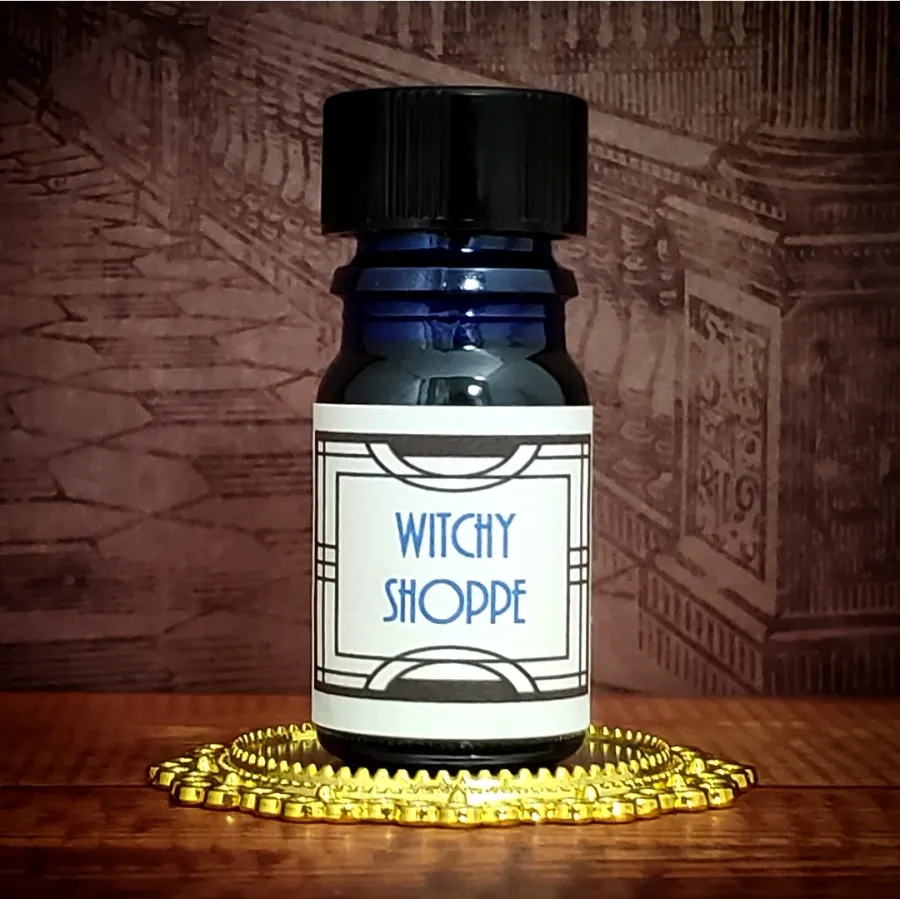
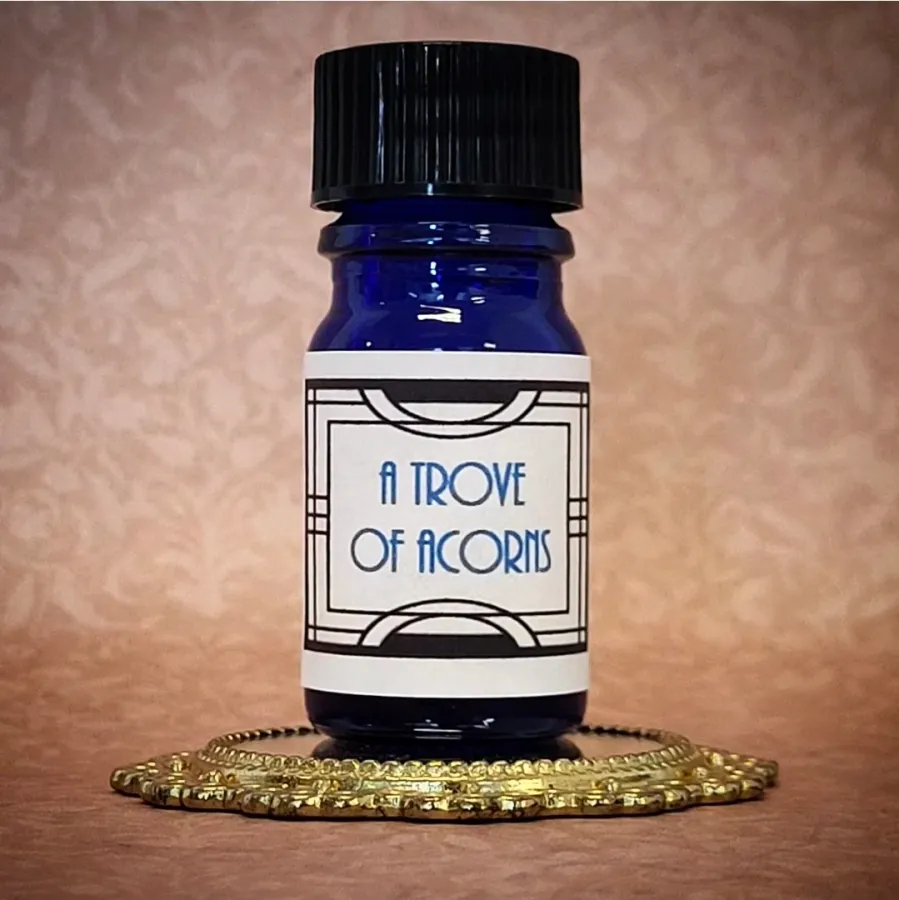
Oakmoss is the one to watch on these pages. Black Phoenix Alchemy Lab, founded by Elizabeth Moriarty Barrial and Brian Constantine in 2000, lists it in the hay-and-frankincense Wortcunning, in the fern-and-fig-sap Goose Turd Green Dragon, currently out of stock, and in Samhainophobia 2026, where it sits with vetiver, patchouli and clove. Nui Cobalt Designs of Columbus, Ohio, run by founder Forest Nui Cobalt since 2012, opens Witchy Shoppe on oakmoss and copal smoke with clove further down, and uses it again under the hazelnut of A Trove Of Acorns.
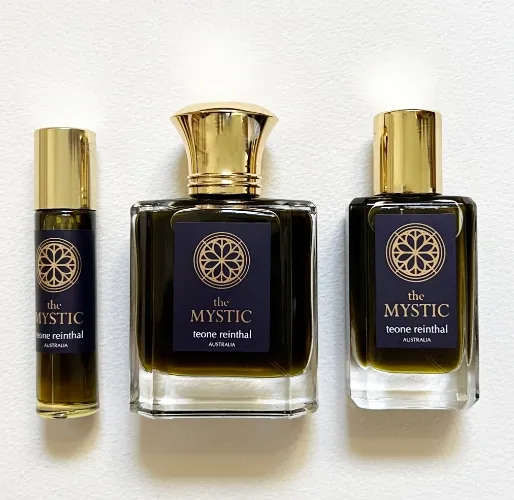
Possets Perfume in Cincinnati, founded by Fabienne Christenson and continued by Gordon Christenson, has it three ways: with cinnamon and thyme in Heka (Magic), with bergamot and labdanum in Cucumbre, and with sage and citron in Ode to Aphrodite. At the natural end, The MYSTIC from Teone Reinthal Natural Perfume in Brisbane runs oakmoss, Italian bergamot and galbanum through a notes list of several dozen naturals, which is the kind of formula where a single supplier change is felt most.
Restrictions set limits by product category, not bans on notes, so the realistic effect on a shelf like this is small shifts: a notes list that reads slightly differently next year, a seasonal blend that does not come back. Worth checking the published Standards in January rather than the summaries now.
Where to start
- Witchy Shoppe by Nui Cobalt Designs, $4.75–$19.95 (1 ml and 5 ml): oakmoss and clove in one bottle, so the cheapest way to learn what both materials do before anyone reformulates anything.
- Wortcunning by Black Phoenix Alchemy Lab, $38: for readers who want oakmoss in a herbal, hay-and-patchouli setting rather than a spiced one.
- The MYSTIC by Teone Reinthal Natural Perfume, 110 AUD–900 AUD: for anyone curious how oakmoss and Italian bergamot behave inside an all-naturals construction.