What the EU's expanded allergen list means for small natural houses
Since 31 July, cosmetics placed on the EU market have had to declare roughly 80 fragrance allergens instead of 26, and many of the new entries are essential oils named outright.
Undernotes4 min readDispatch

On 31 July 2026 the deadline passed for cosmetic products placed on the EU market to carry the expanded fragrance-allergen declaration. The list of substances that must be named in the ingredient statement went from 26 to roughly 80, and the interesting part is not the arithmetic. It is that many of the new entries are not isolated aroma chemicals but whole naturals, named as such: jasmine extract, sandalwood oil, narcissus extract. A house whose palette is absolutes and essential oils now finds that palette and the declaration list pointing at the same materials.
What actually changed
The instrument is Commission Regulation (EU) 2023/1545, which amended Annex III of the EU Cosmetics Regulation. COSlaw's FAQ on the deadline counts 56 new fragrance allergens added to the original 26, for a total of 82. Other compliance summaries count 57 additions to 24 existing entries and arrive at 81, partly because the amendment also groups similar substances under single glossary names. Either way, the number of things that can force a line onto a label has roughly tripled.
The thresholds did not move: 0.001% in a leave-on product, 0.01% in a rinse-off one. Perfume is leave-on, so 0.001% is the figure that matters: one part in a hundred thousand, on the order of a milligram in a 100 ml bottle.
There are two dates. Products placed on the EU market from 31 July 2026 must comply. Stock already on the market before that date may continue to be sold until 31 July 2028. That two-year tail is why shelves still look unchanged, and why the effect will arrive quietly, batch by batch.
Why naturals declare more
Under the old list, a perfumer largely declared constituents: linalool, geraniol, eugenol, coumarin, and oakmoss extract, which was already there. Compliance meant knowing what was inside your materials. The new list keeps that logic and adds another: it names the materials themselves. A published summary of the amendment by the testing group ALS includes, among the new entries, jasmine oil and extract, Santalum album oil, Narcissus poeticus extract, lavender, ylang ylang, rose, patchouli, geranium, clove, and cinnamon bark and cassia leaf oils.
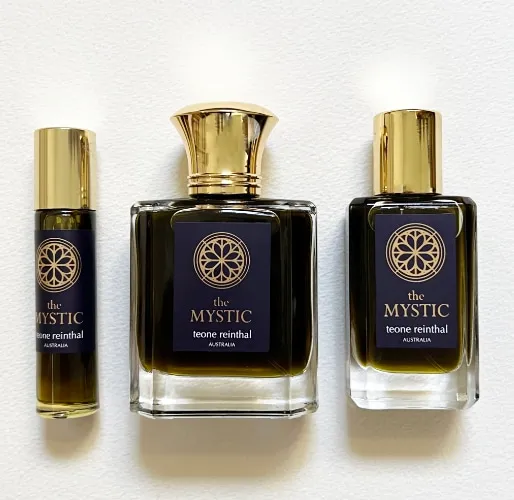
Read a natural formula against that and the overlap is immediate. The MYSTIC from Teone Reinthal Natural Perfume lists close to forty materials, among them two lavenders, sambac jasmine, geranium, four cedars, two sandalwoods, patchouli, myrrh and oakmoss. Chypre Chrysantheme from Sultan Pasha Attars works the same territory: jasmine and two roses over oakmoss, Mysore sandalwood, patchouli, benzoin and vetiver. Neither house is EU-based, but the rule follows the market, not the workshop: it applies to products placed on the EU market wherever they were made.
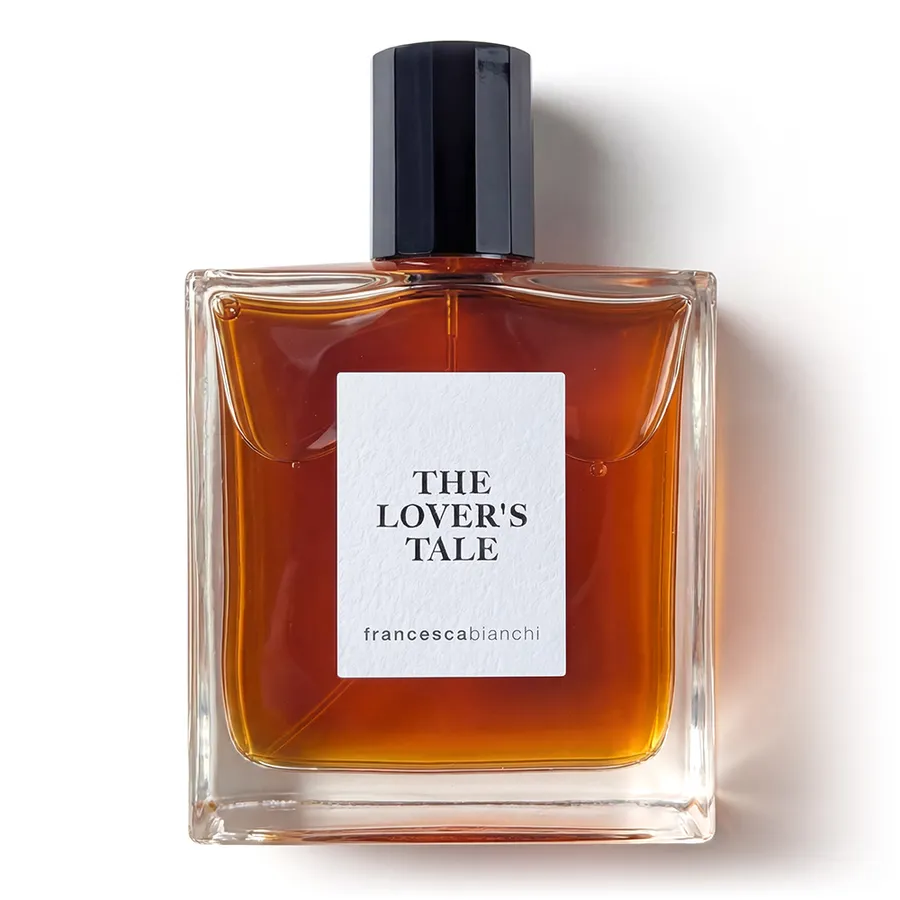
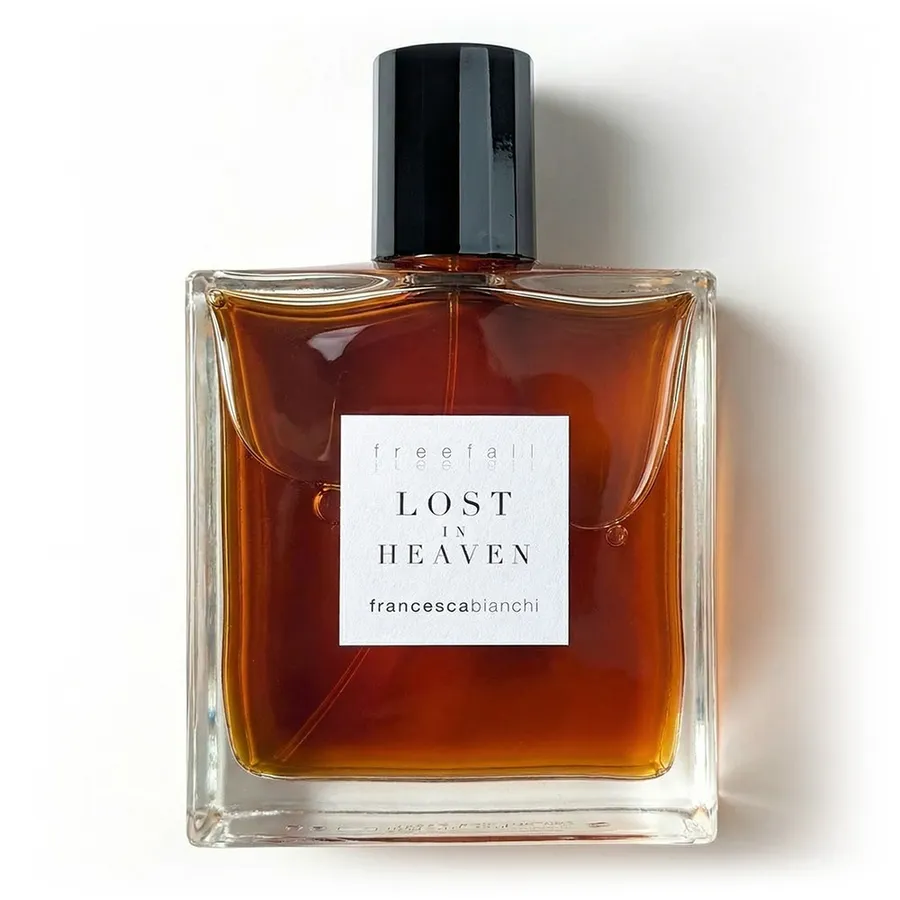
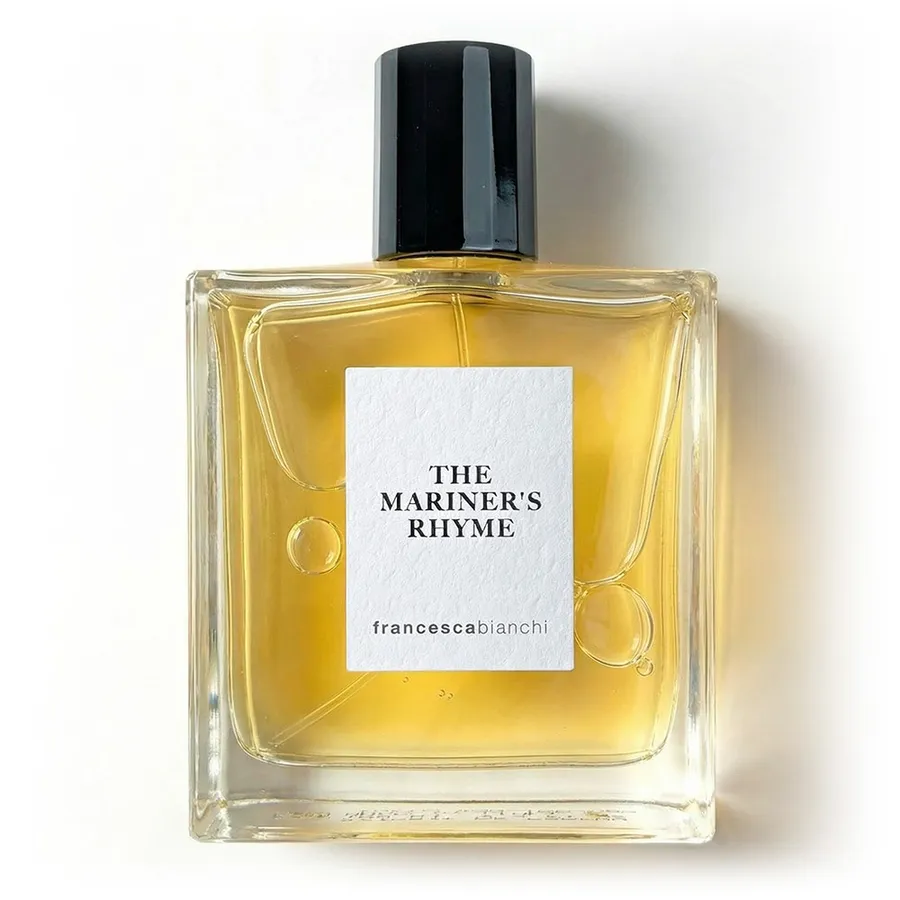
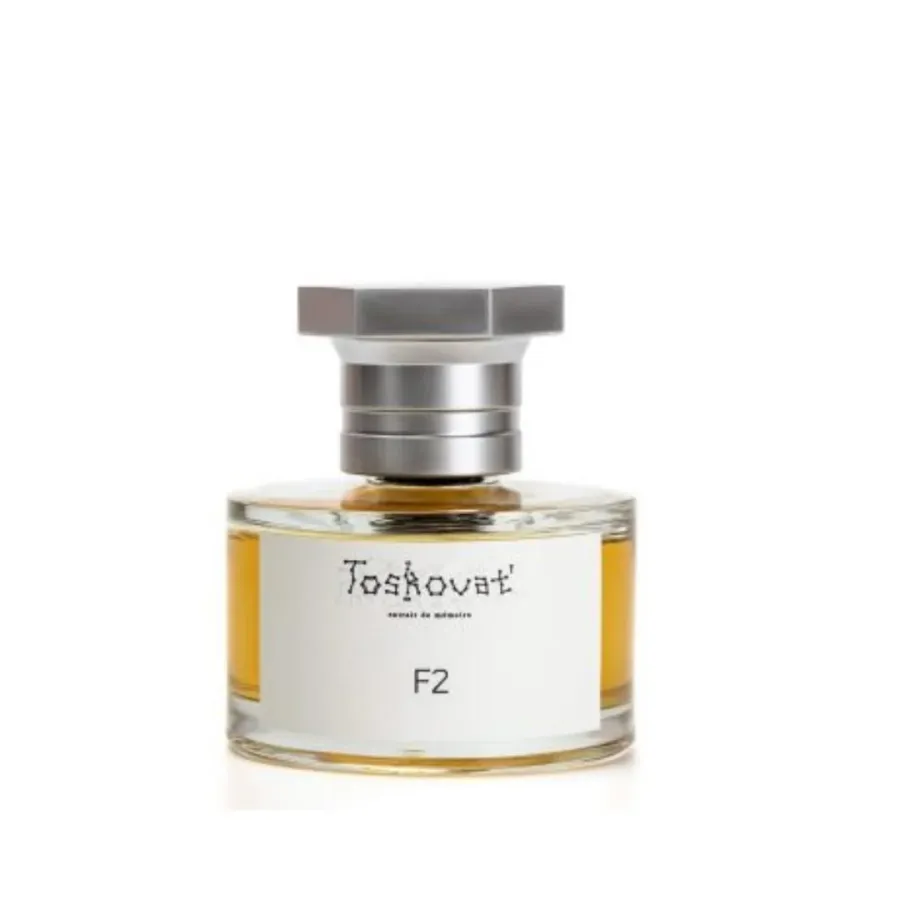
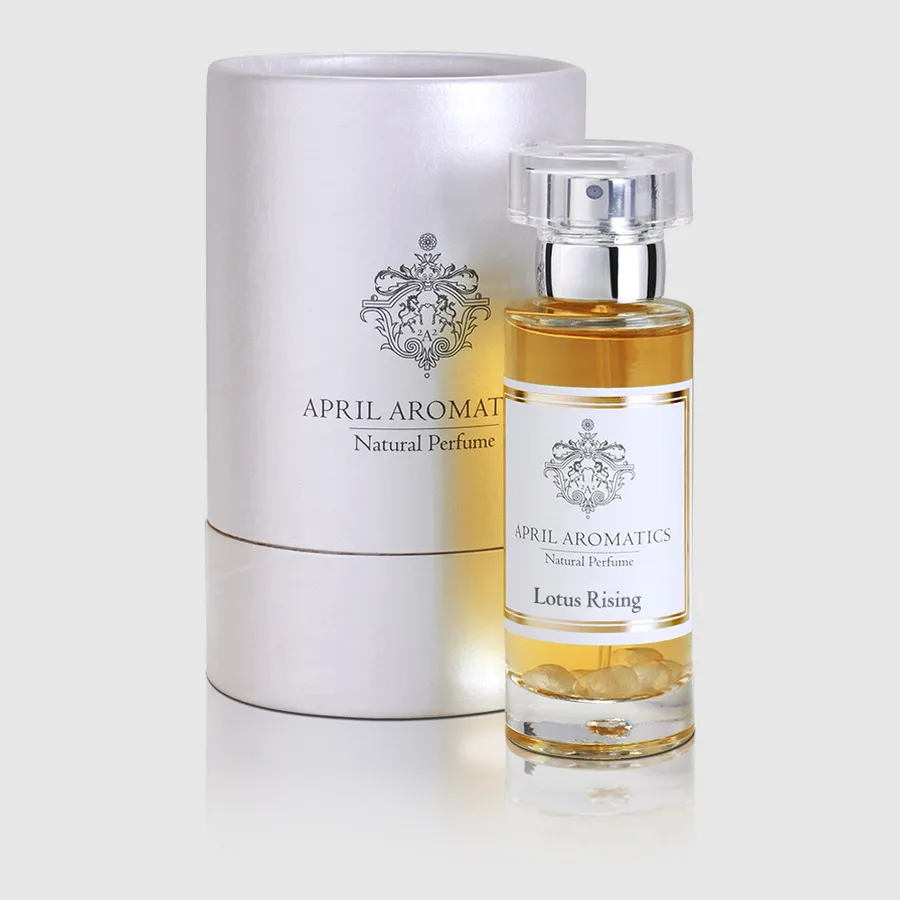
Inside the EU it is closer to home. Francesca Bianchi Perfumes, founded in Amsterdam in 2016, has The Lover's Tale with Egyptian jasmin, Bulgarian rose, sandalwood and oakmoss; Lost in Heaven with cinnamon, ylang extra, jasmine, patchouli and sandalwood; The Mariner's Rhyme with lavender, oakmoss and incense. Toskovat', based in Romania, lists narcissus, cinnamon, oakmoss, rose, myrrh and patchouli in Hoary Date, currently out of stock. April Aromatics in Berlin, whose site describes its perfumes as botanical, builds Lotus Rising on champaca, frangipani, jasmine, rose and iris.
None of that constitutes a compliance assessment. Whether a given entry crosses 0.001% depends on dose and on the composition of each batch of oil, which is exactly the problem: a natural material varies, and the honest way to know is analysis.
The cost sits in the wrong place
A conglomerate absorbed this in a specifications department, largely years ago, and its suppliers issue allergen statements as a matter of course. A one- or two-person house buys smaller lots, sometimes from small distillers, and may have to pay for testing per batch to state a number with confidence. The unit cost of a chromatogram does not shrink because the run was fifty bottles.
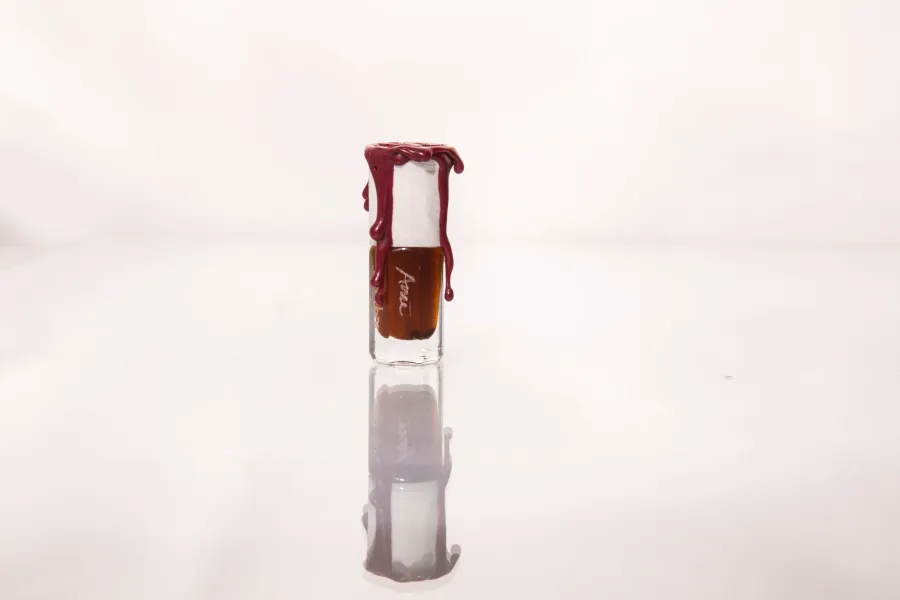
Then there is the bottle. Article 19(2) of the Cosmetics Regulation allows the ingredient list to move to an enclosed or attached leaflet, tape, tag or card where it is impossible for practical reasons to print it on the pack, with a symbol on the packaging pointing to it. That provision was written for exactly the formats indies sell: 1 ml attar vials, 10 ml travel sizes, the small oils that let people try a house before committing.
The cosmetic chemist Colin Sanders has noted a further wrinkle: some natural brands are expected to hold off until the last possible moment in 2028, because nobody wants to be the first natural house to add a long allergen tail to its packs. The label gets longer while the perfume stays the same, and a shopper who reads labels may not know which of those two things has changed.
What it does not mean
It is a declaration rule, not a ban. Nothing on the new list is prohibited, no reformulation is required by the amendment itself, and a longer ingredient list is not evidence that a perfume became harsher. It means the label now says out loud what a natural chypre always contained. For anyone who reads ingredient statements as part of the pleasure, the next two years will be unusually informative.
Where to start
- The Lover's Tale, Francesca Bianchi Perfumes, €7–€249. Jasmine, rose, leather, castoreum and oakmoss, from a house making extraits in Amsterdam; for the reader who wants the classical animalic-chypre skeleton.
- Chypre Chrysantheme, Sultan Pasha Attars, $68.95–$620.59, with a 1 ml at $68.95. An oil-based attar built on naturals; for anyone curious how much material fits in a vial too small to print an ingredient list on.
- The MYSTIC, Teone Reinthal Natural Perfume, 110 AUD–900 AUD. Frankincense, sandalwood, oud and oakmoss among nearly forty listed materials; for the maximalist who wants to read the whole palette at once.